Des fleurs et des choses
Olga Boudin
Flowers and Things
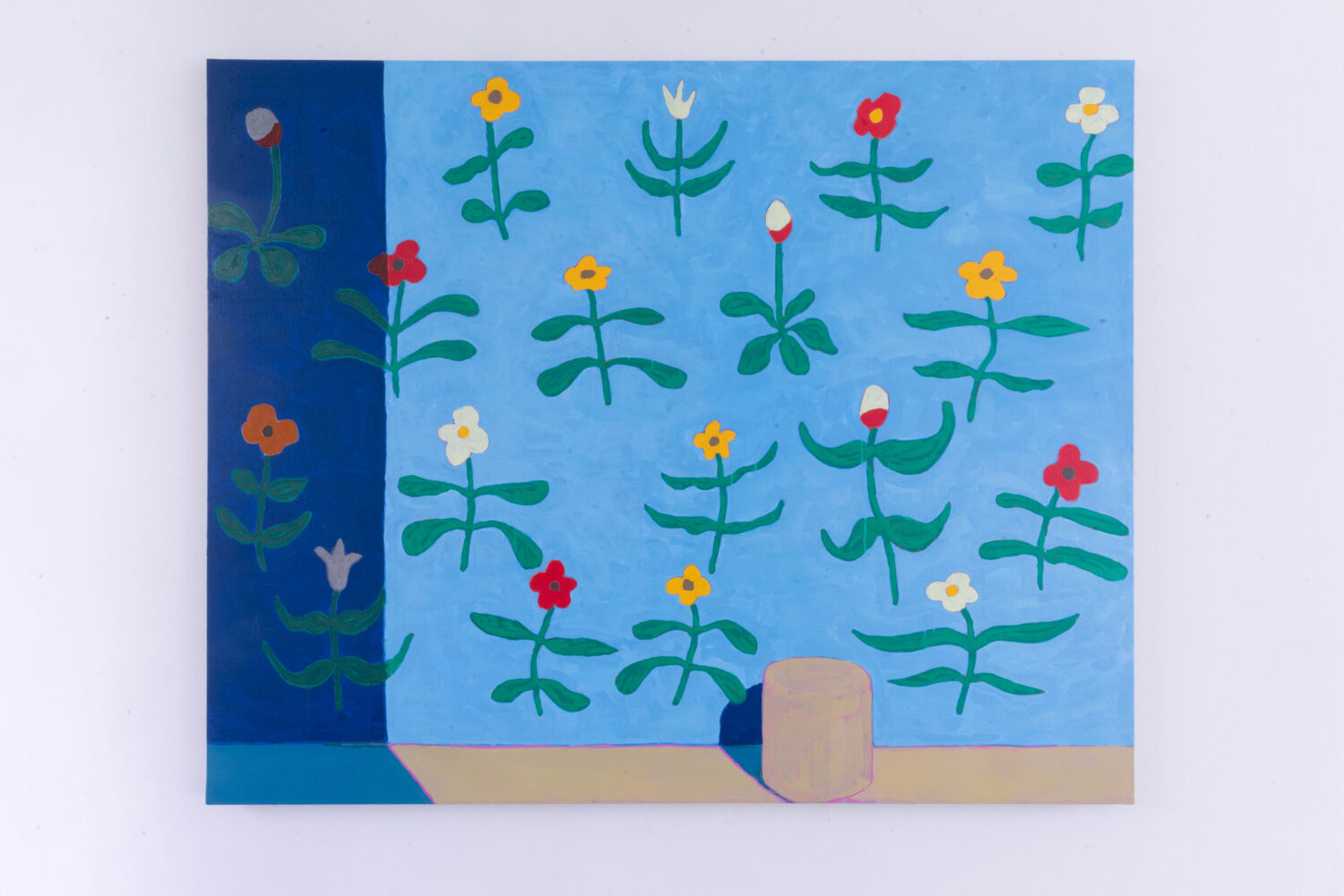
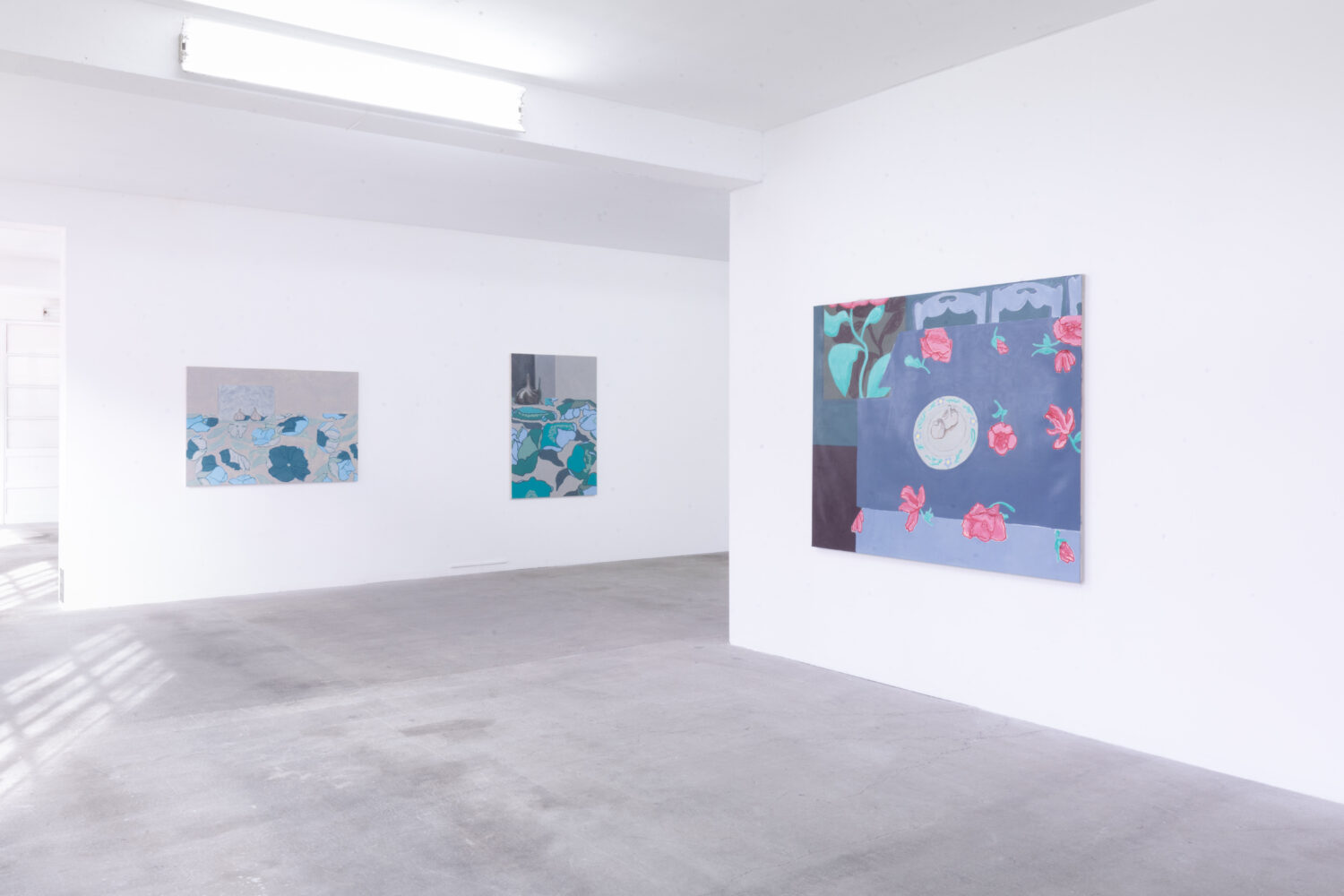
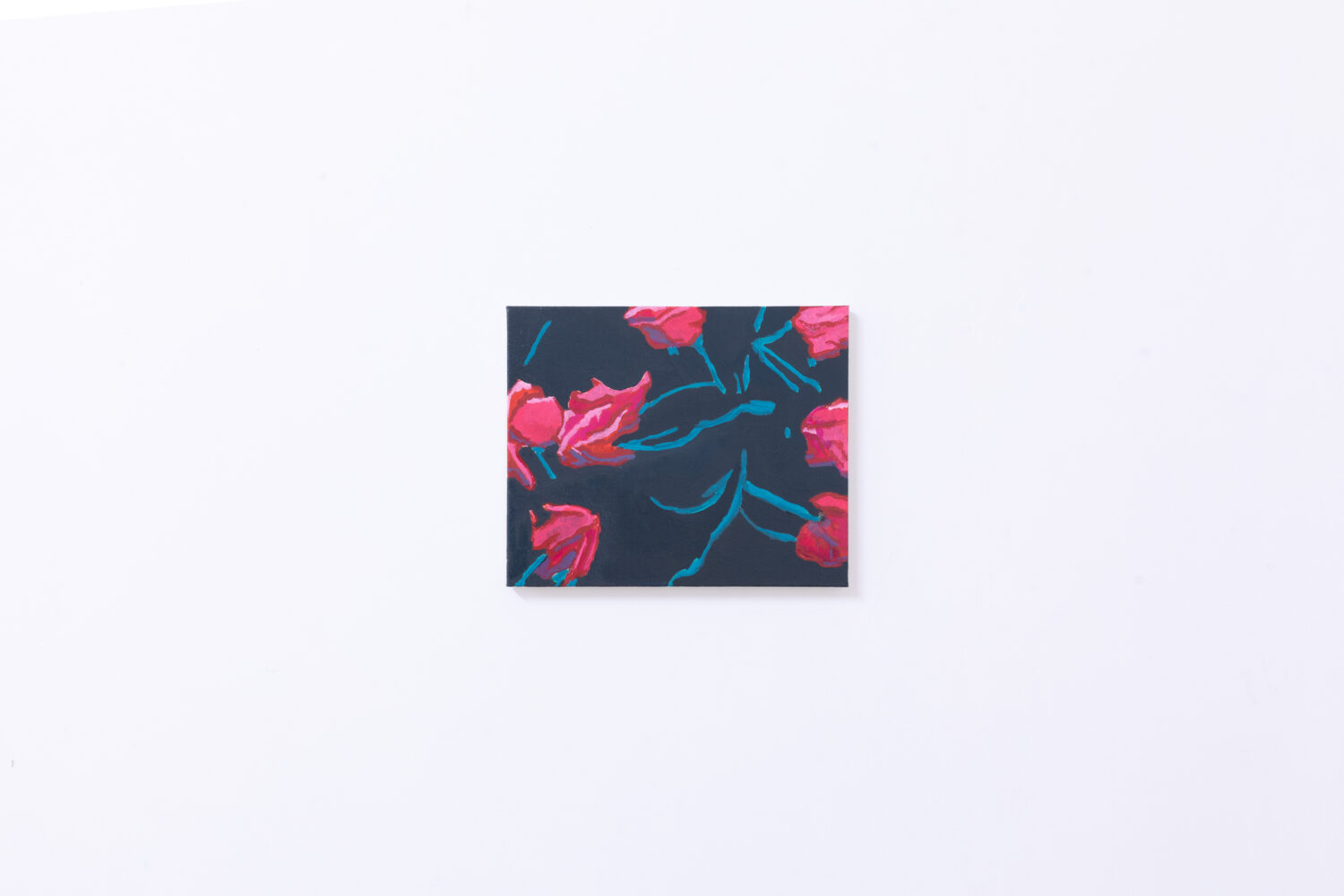
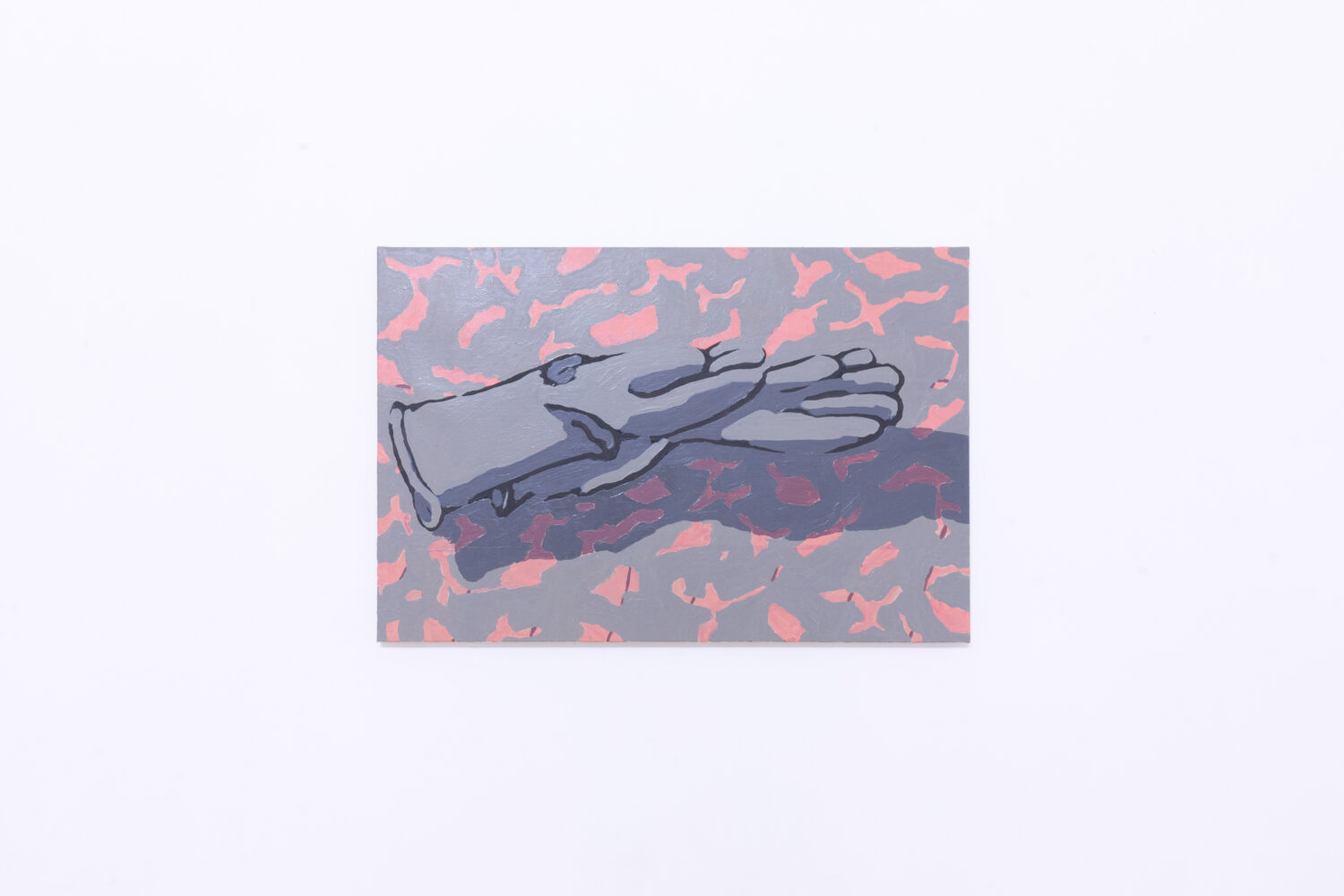
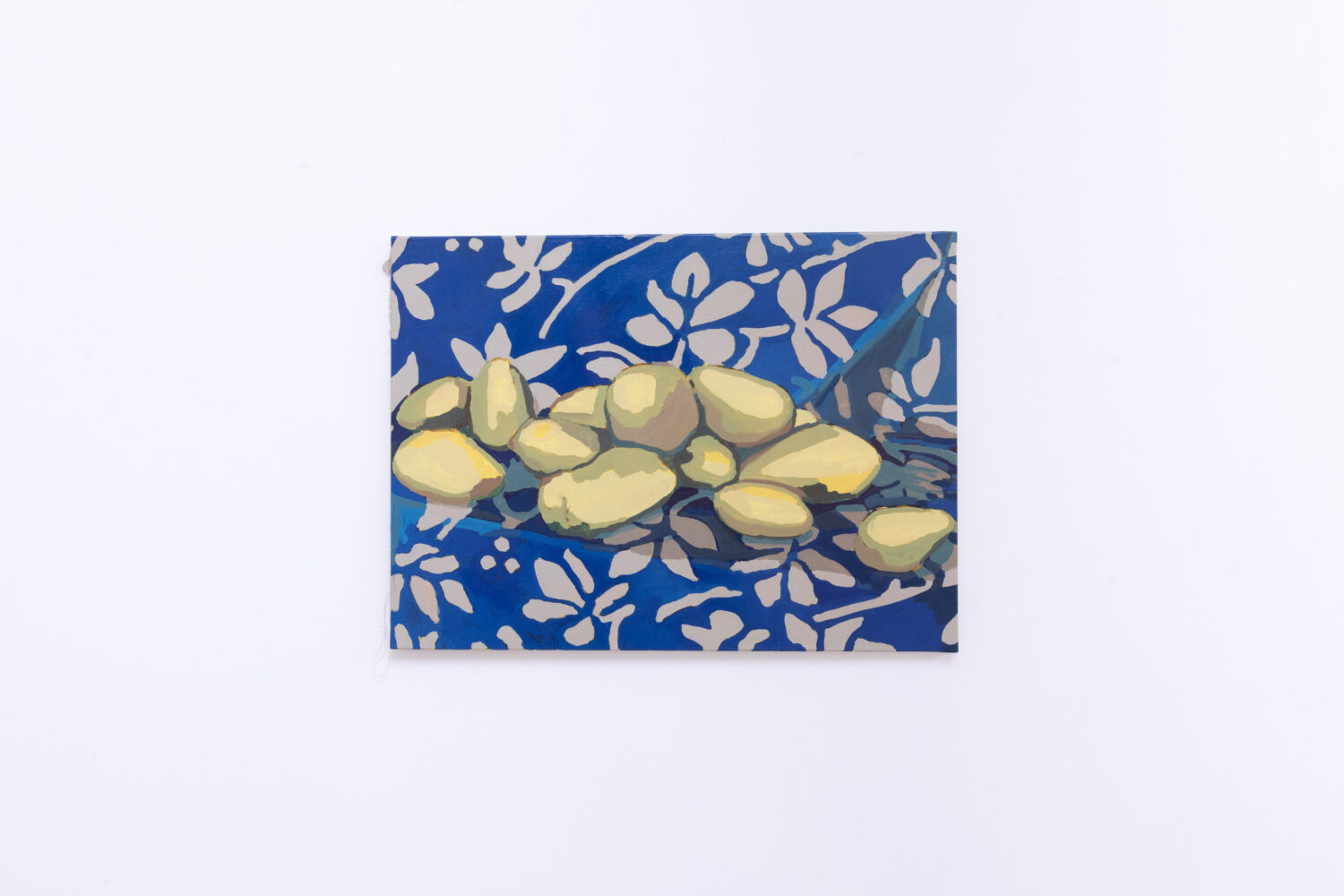
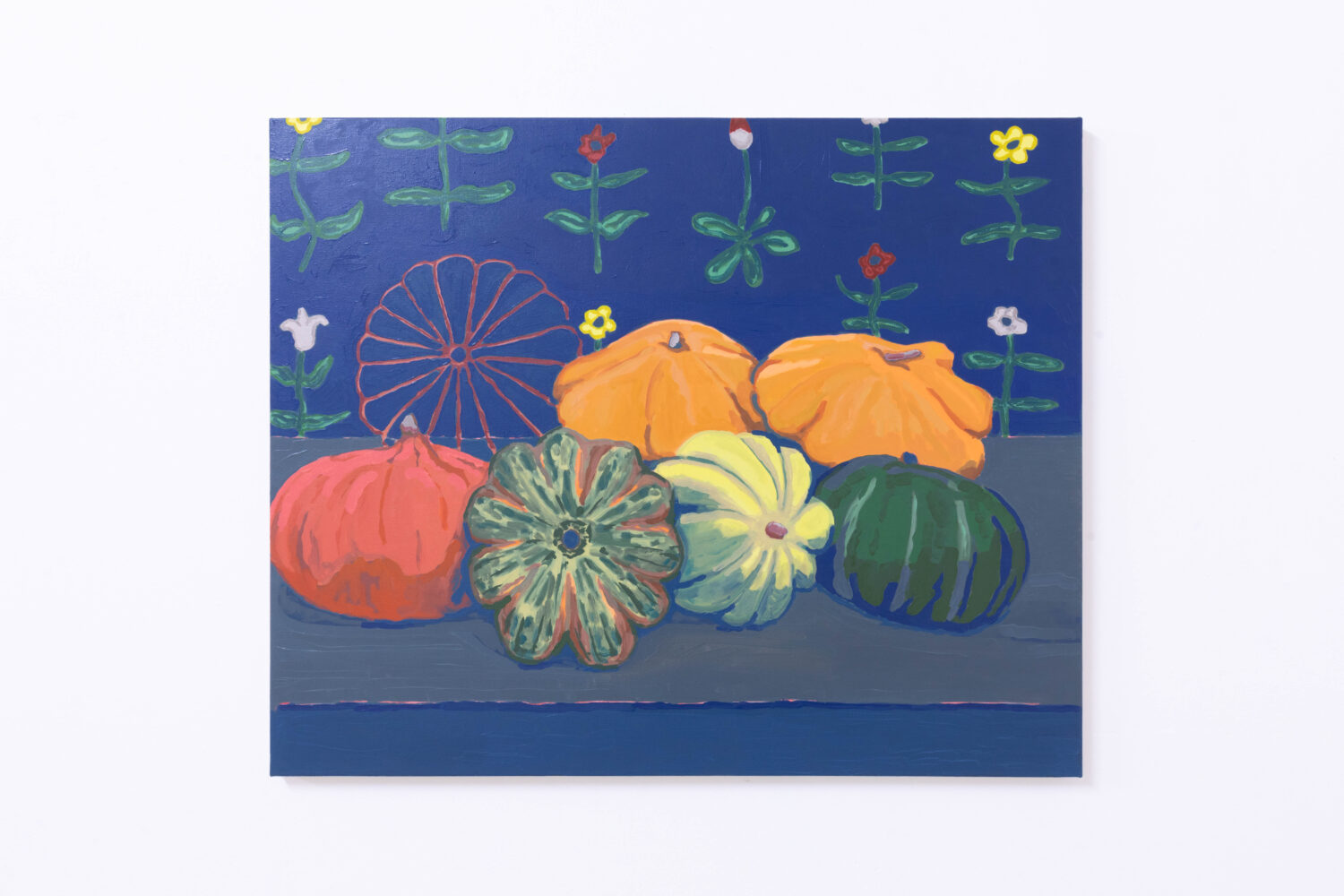
The title given to this new suite of paintings by Olga Boudin, makes a soft echo or meditation on the slogan, “bread for all, and roses too” that grew out of the suffragette movement in 1911. Taken from the speech by Helen Todd, the phrase indicates the double demand for equality not only in material needs, but also in dignity, public standing and freedoms of expression. Boudin returns to this demand within the context of contemporary shifts in public and private space related to the increasing market-driven demands for immediacy and the ever-increasing velocity of contemporary life.
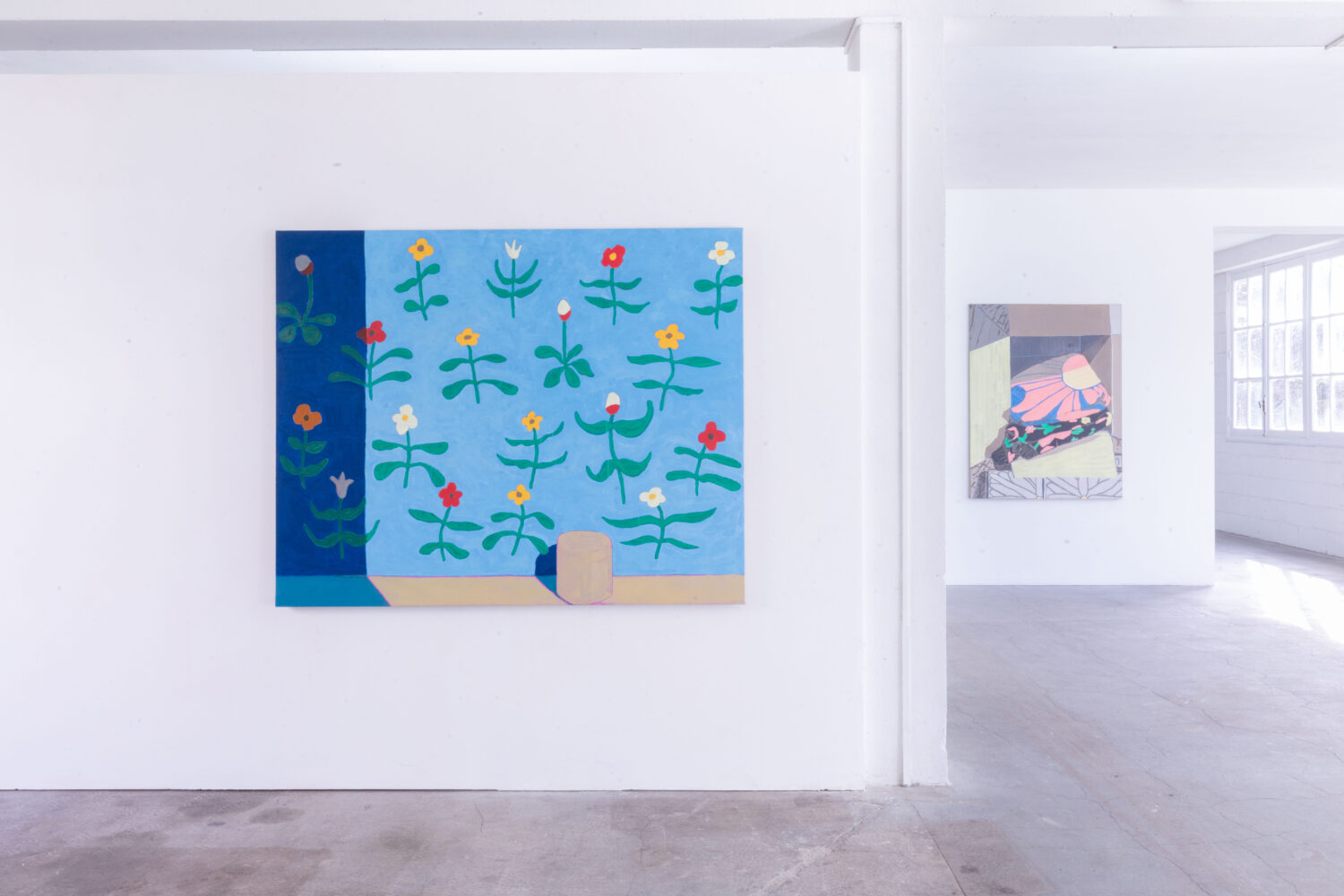
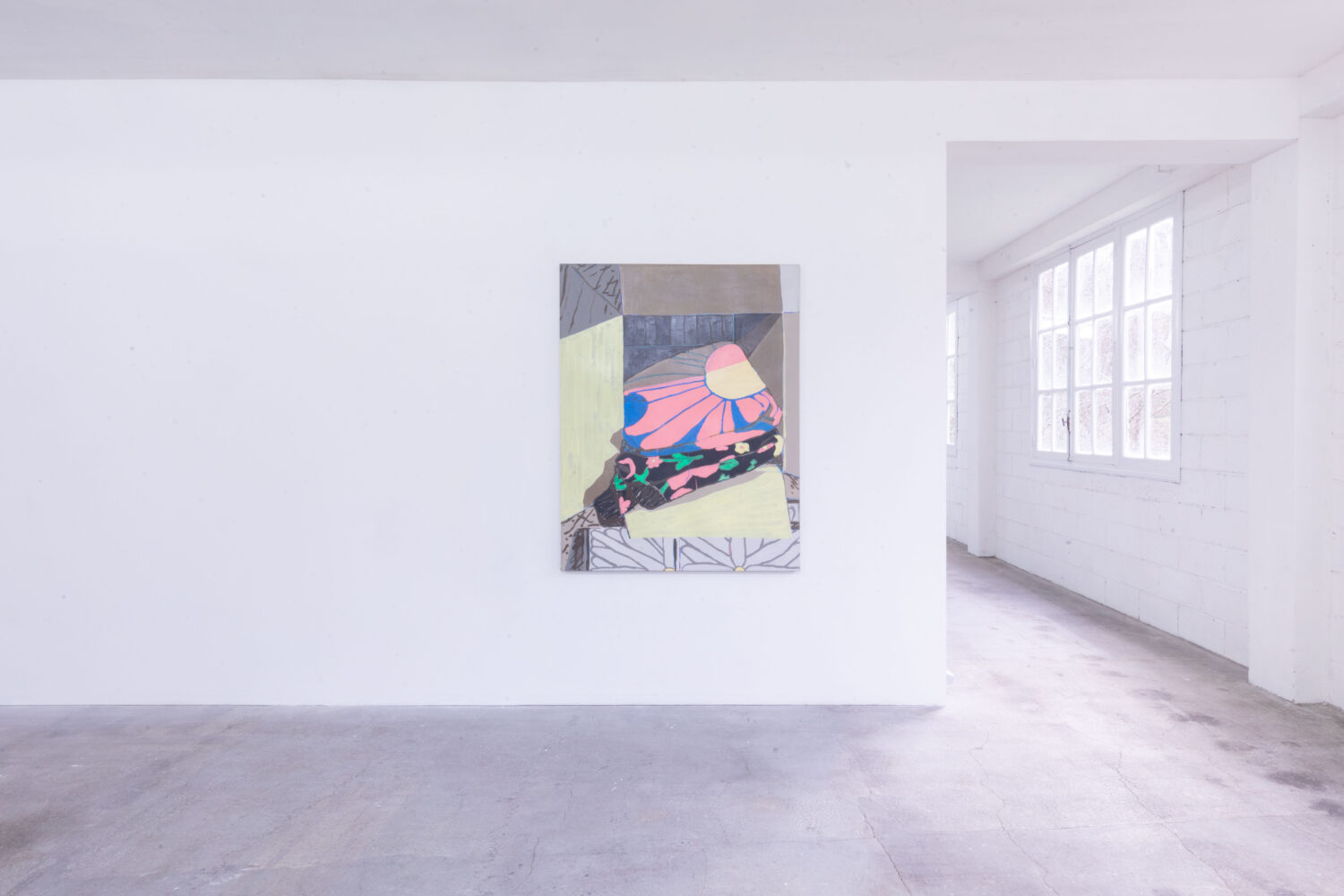
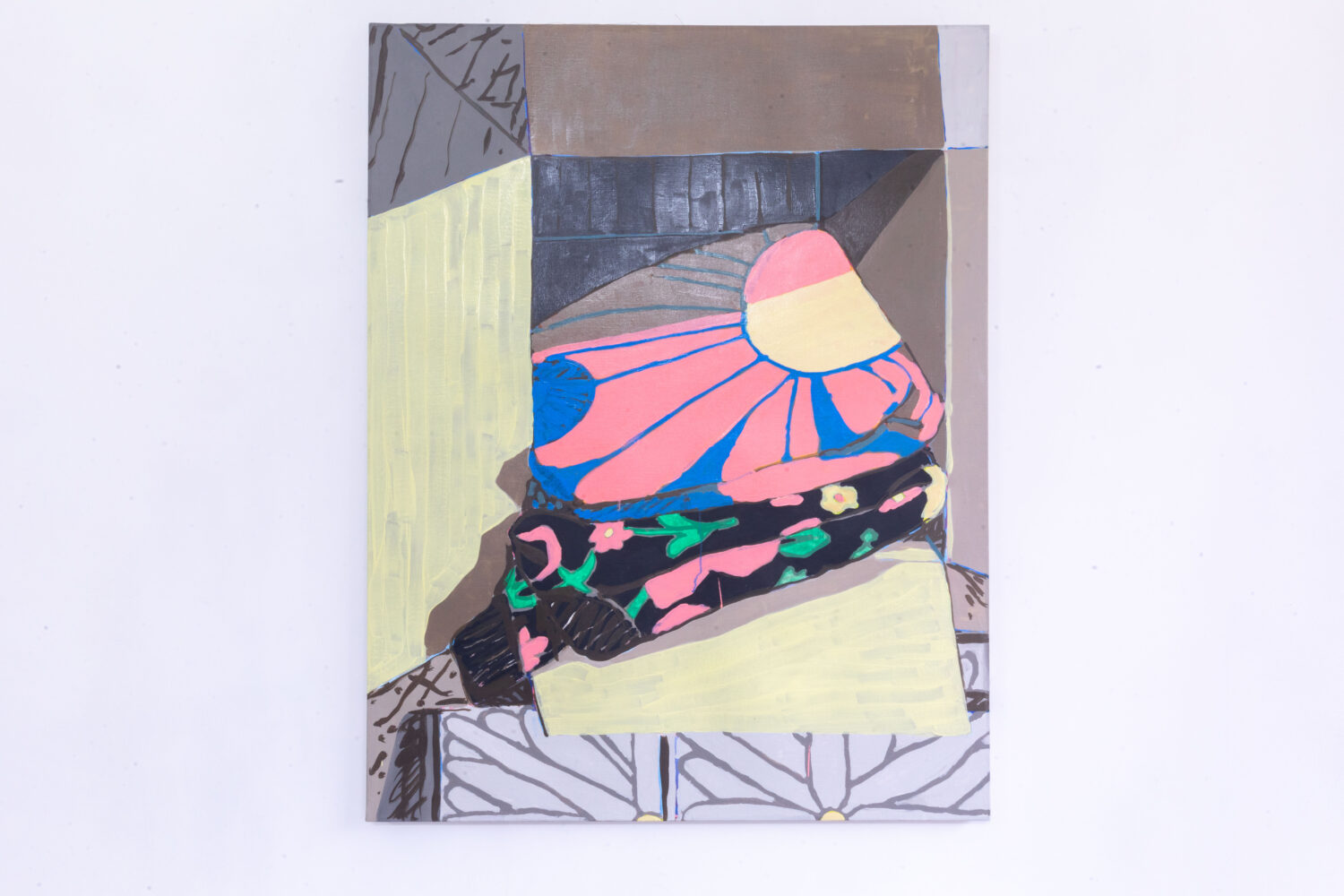
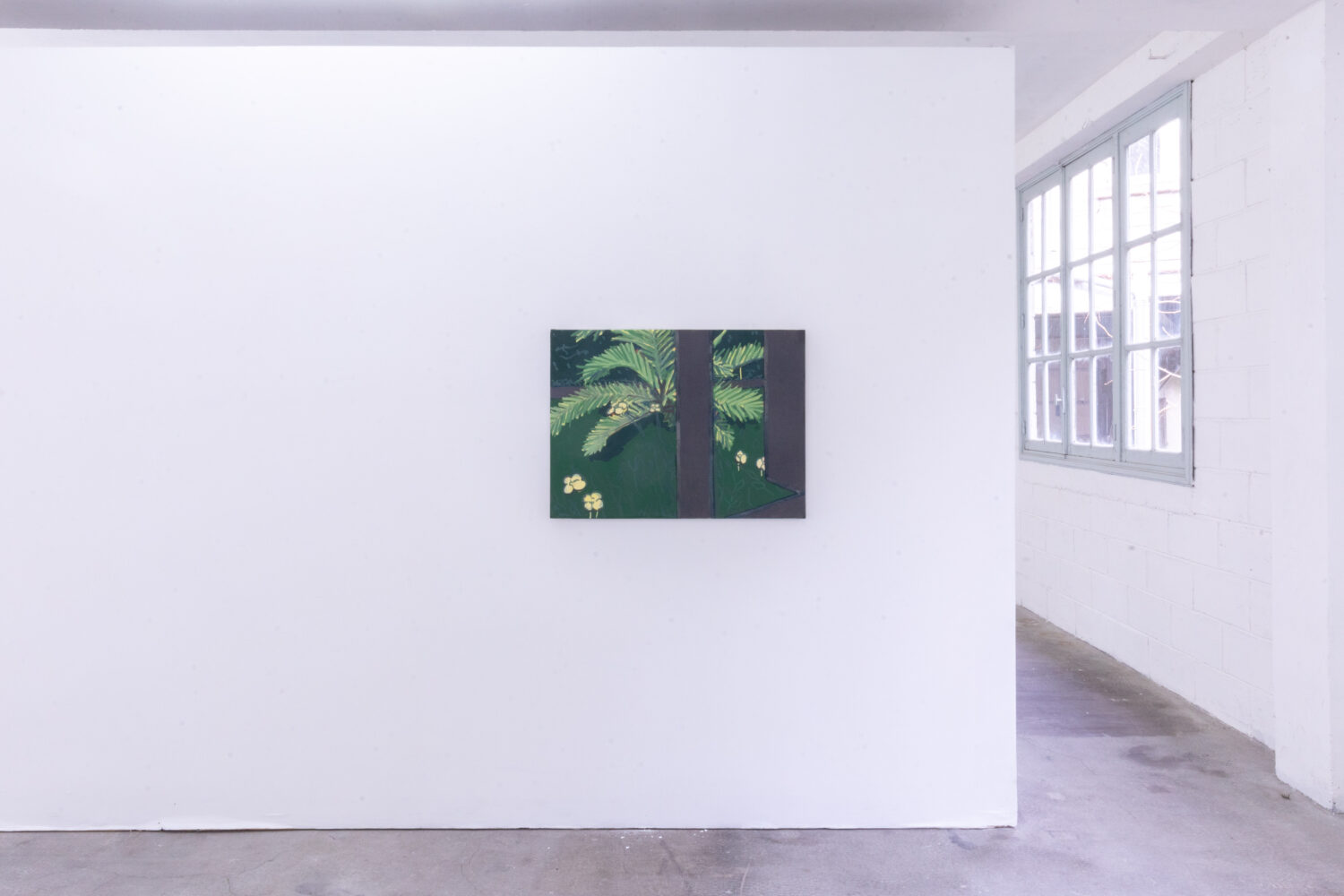
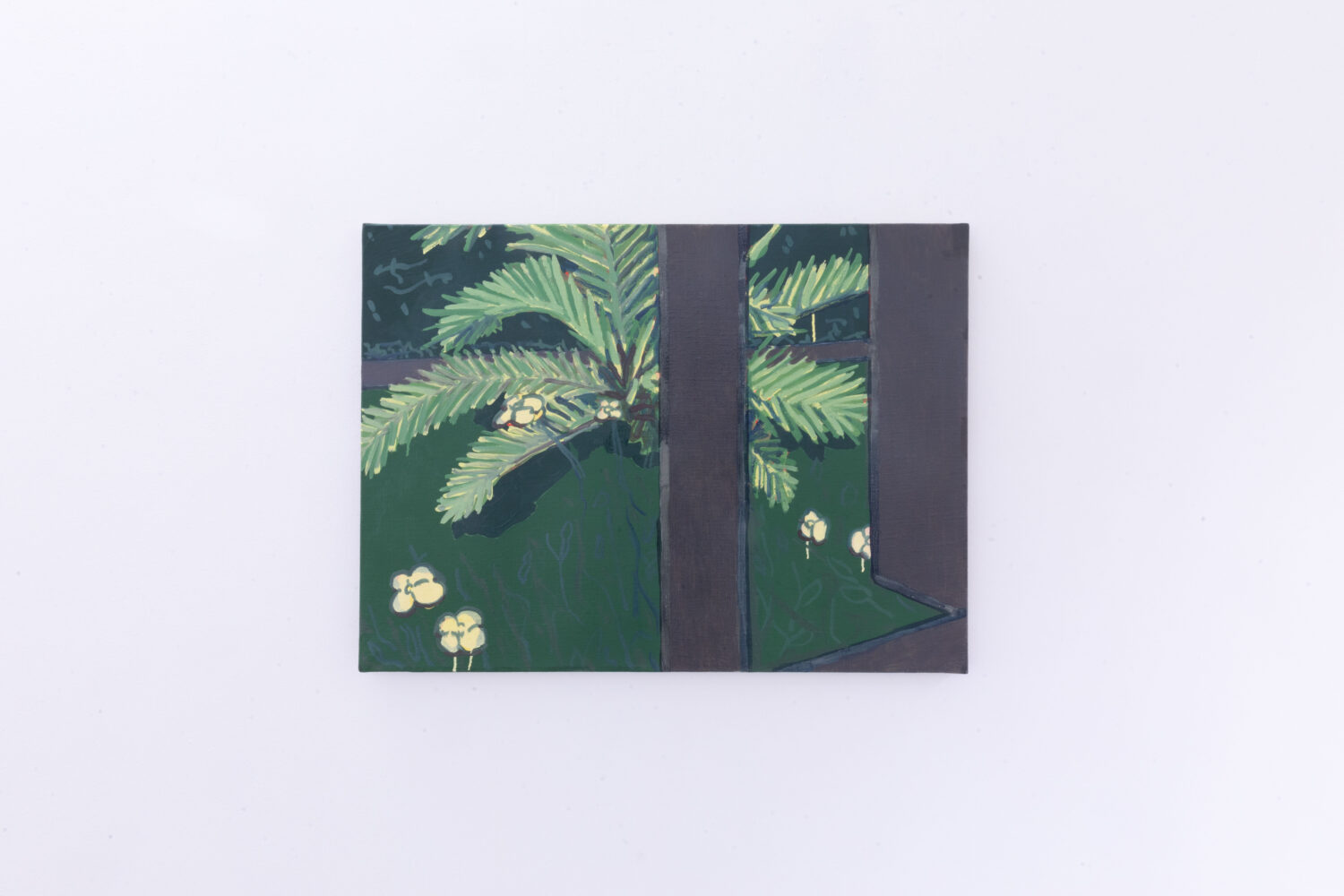
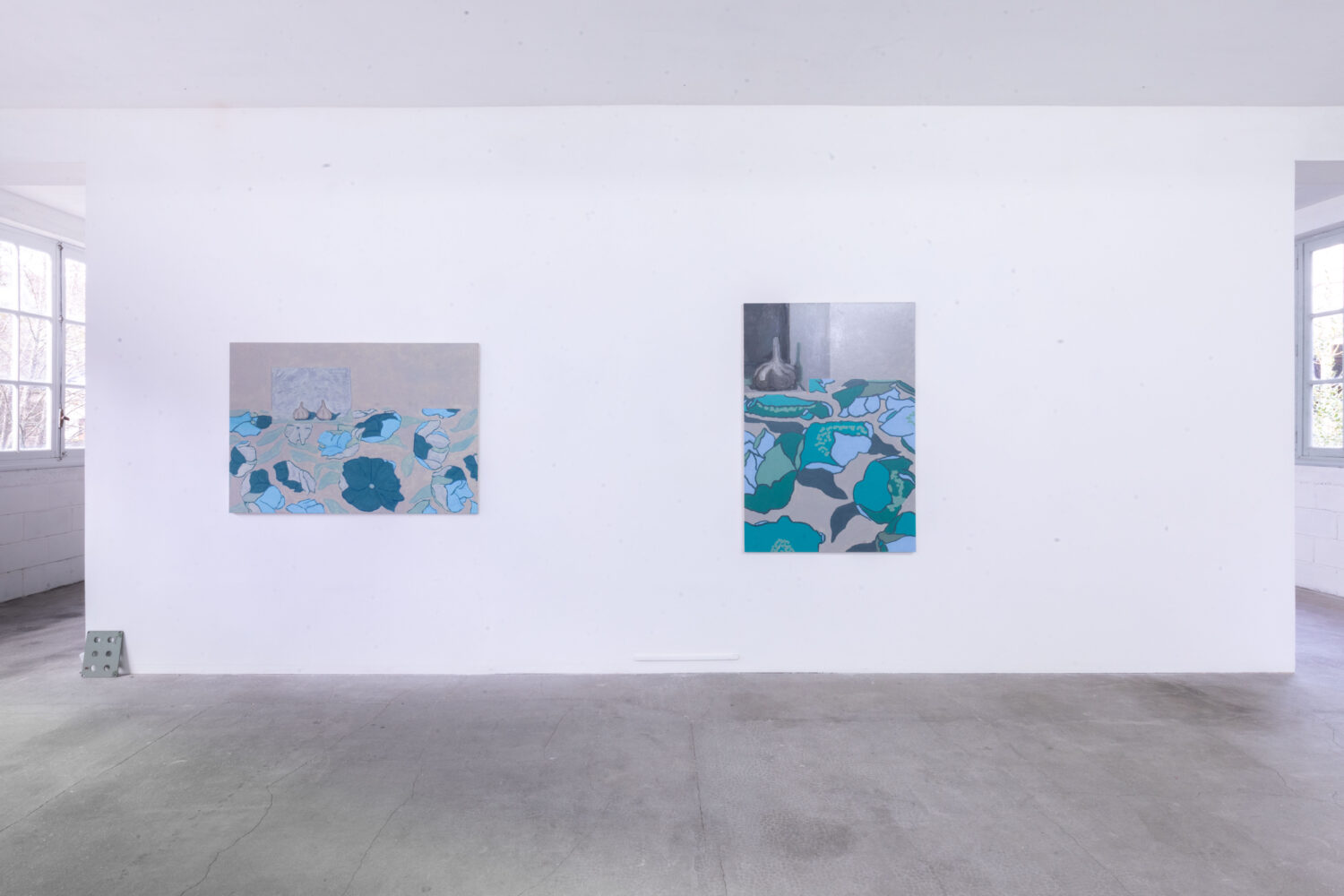
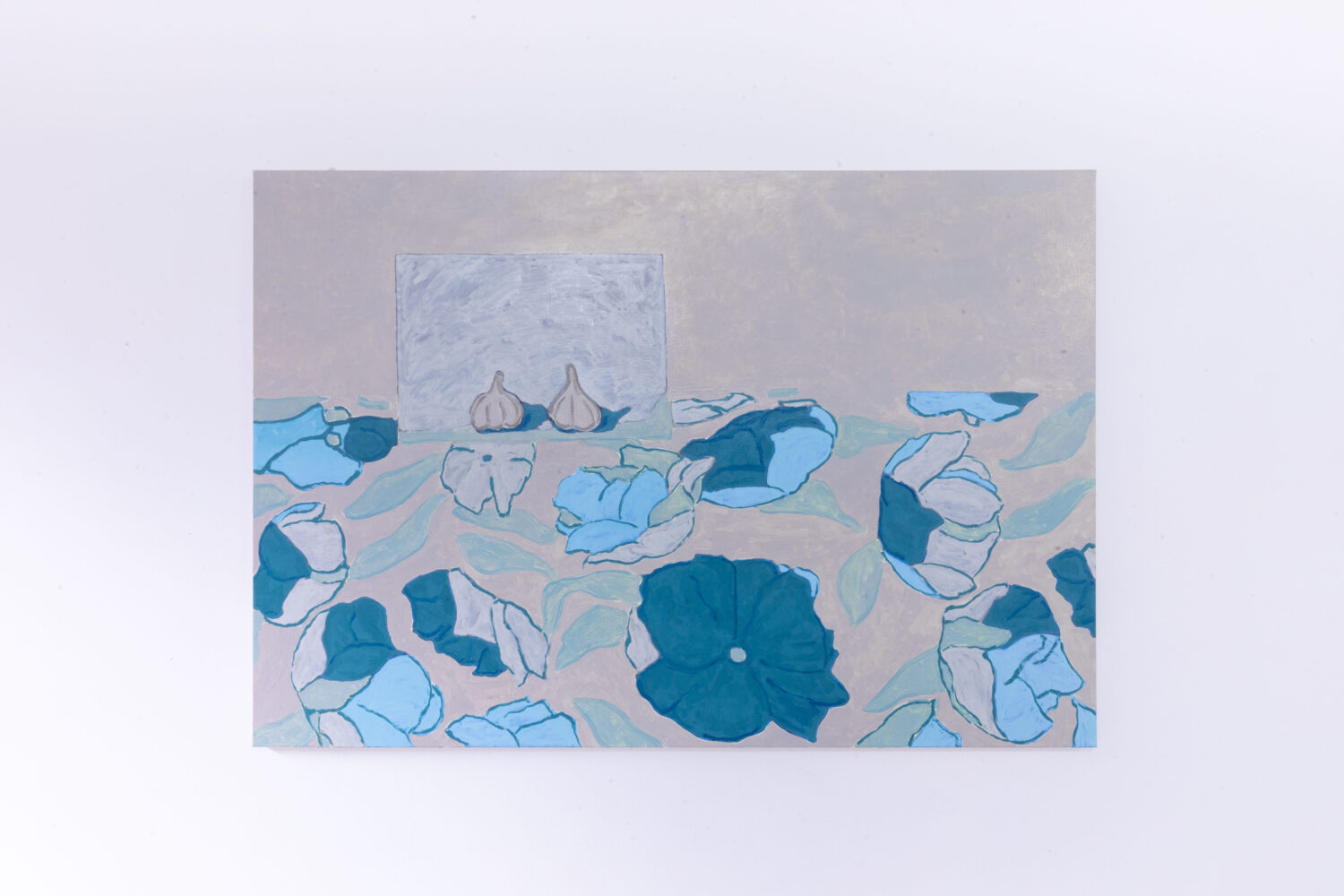
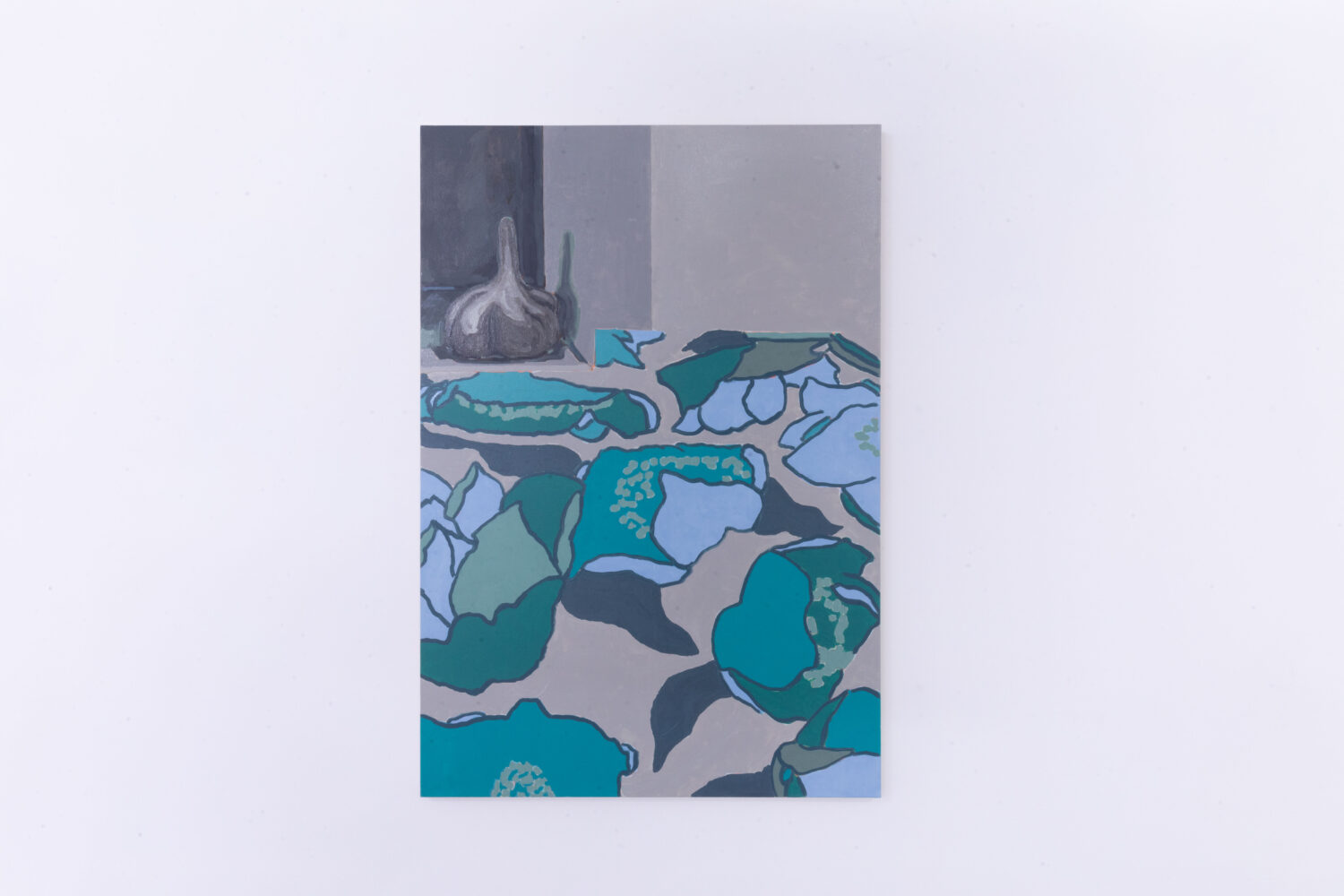
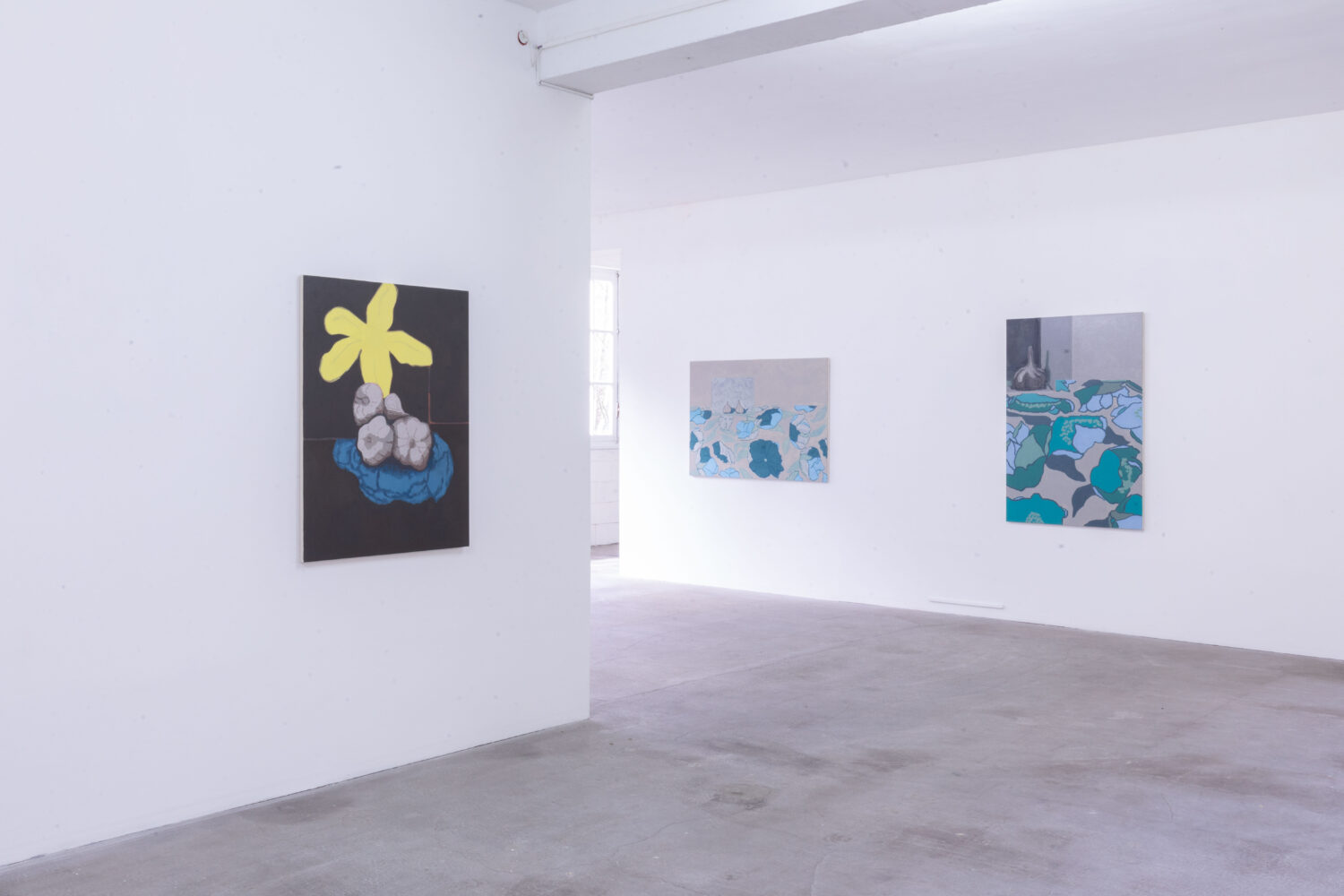
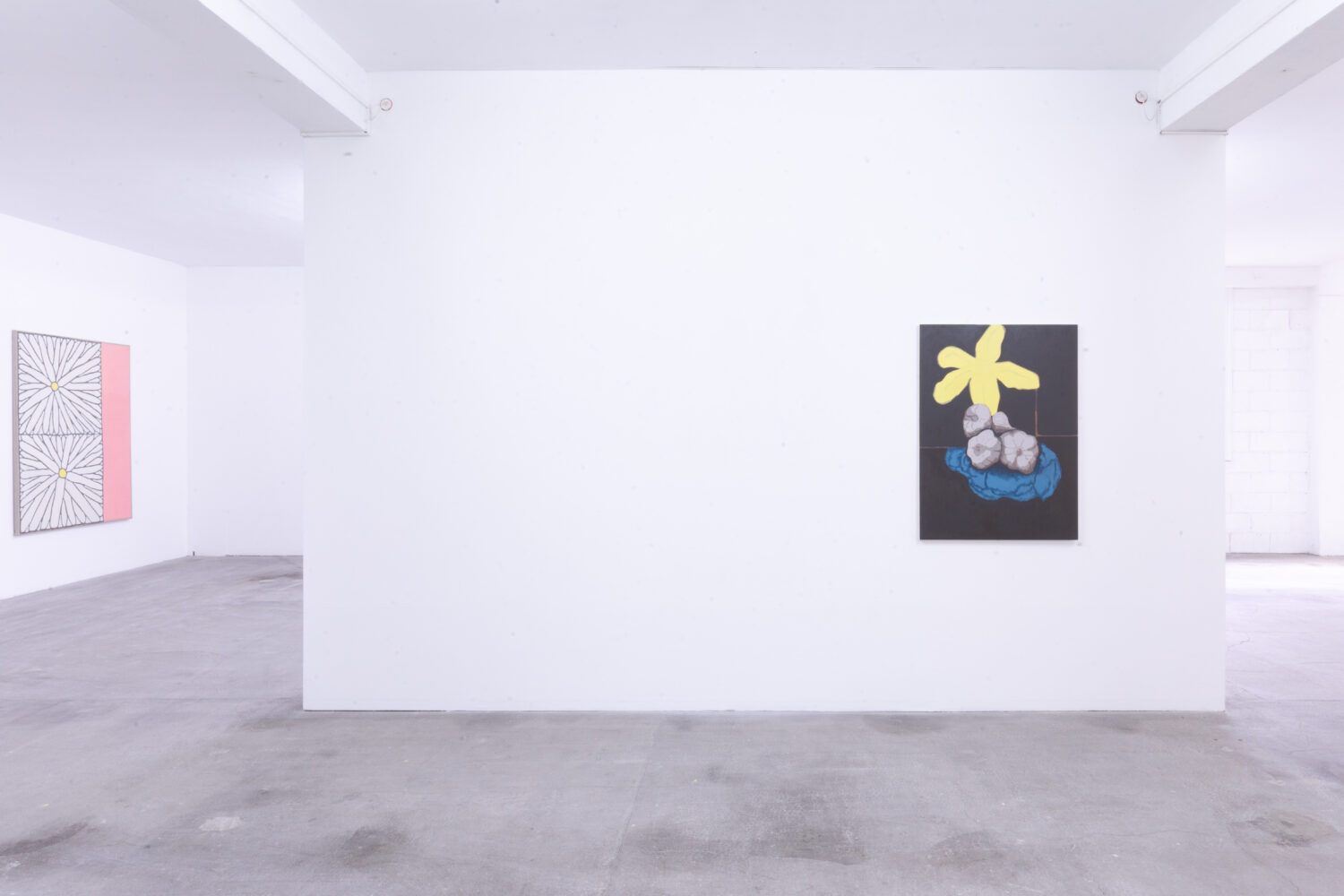
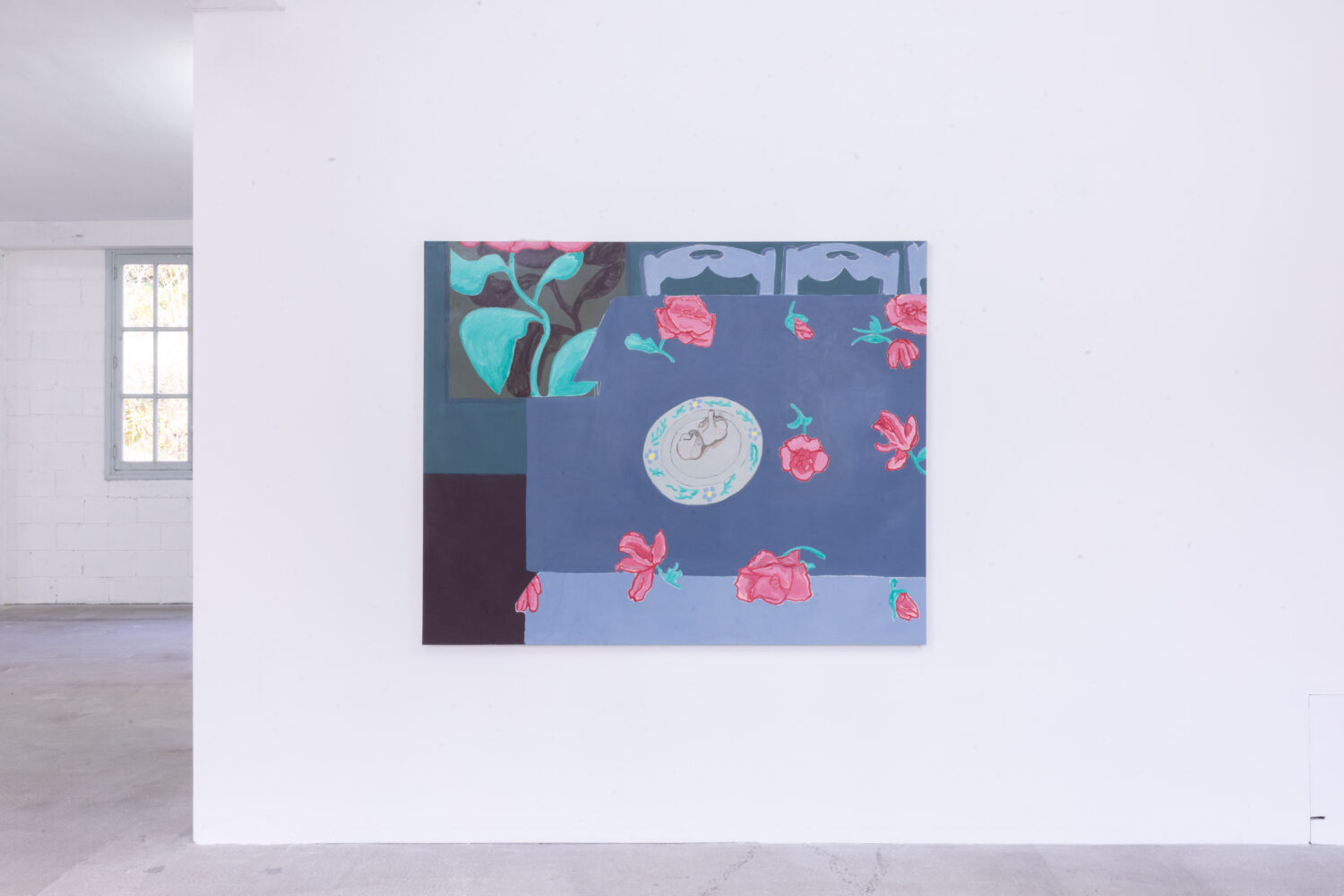
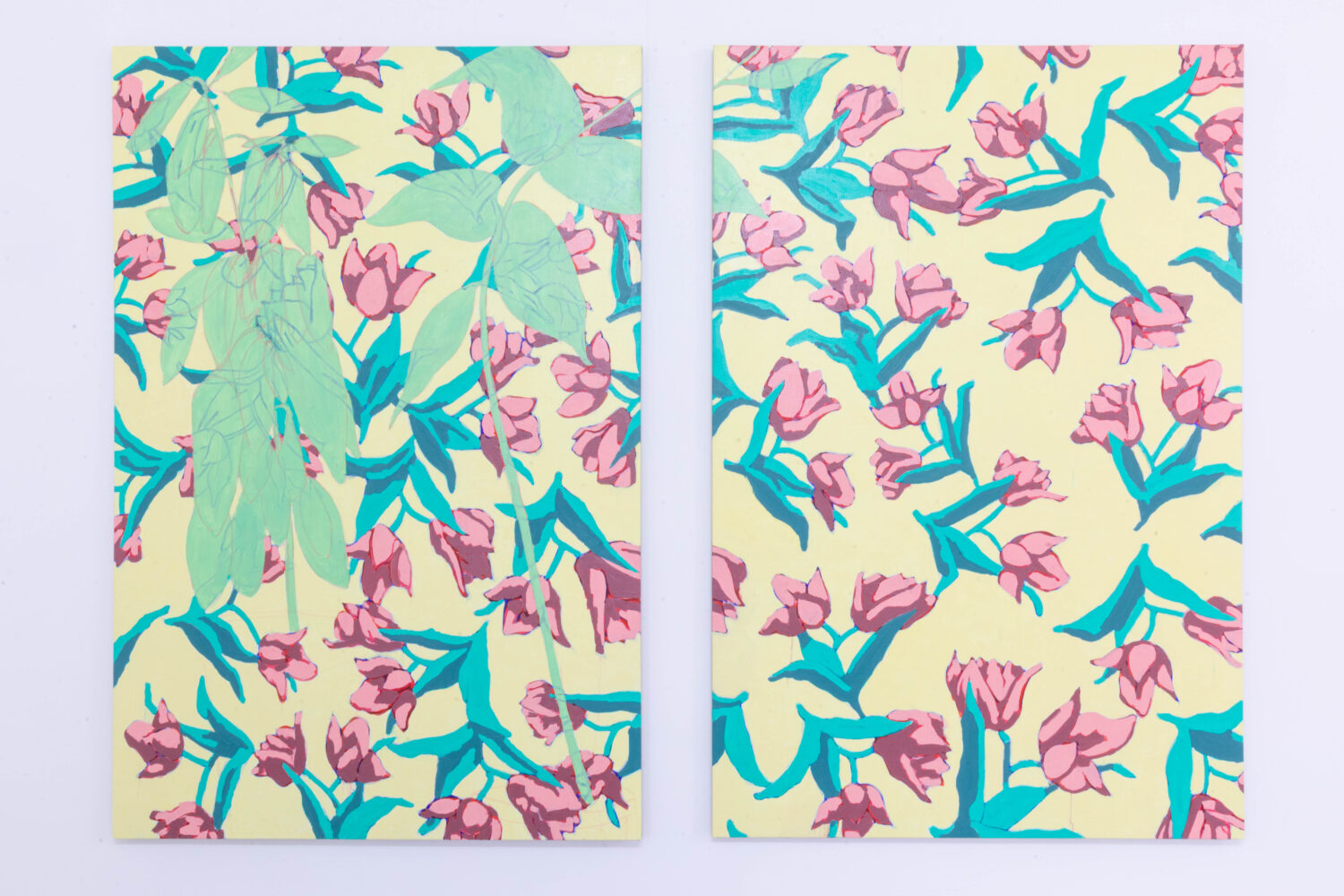
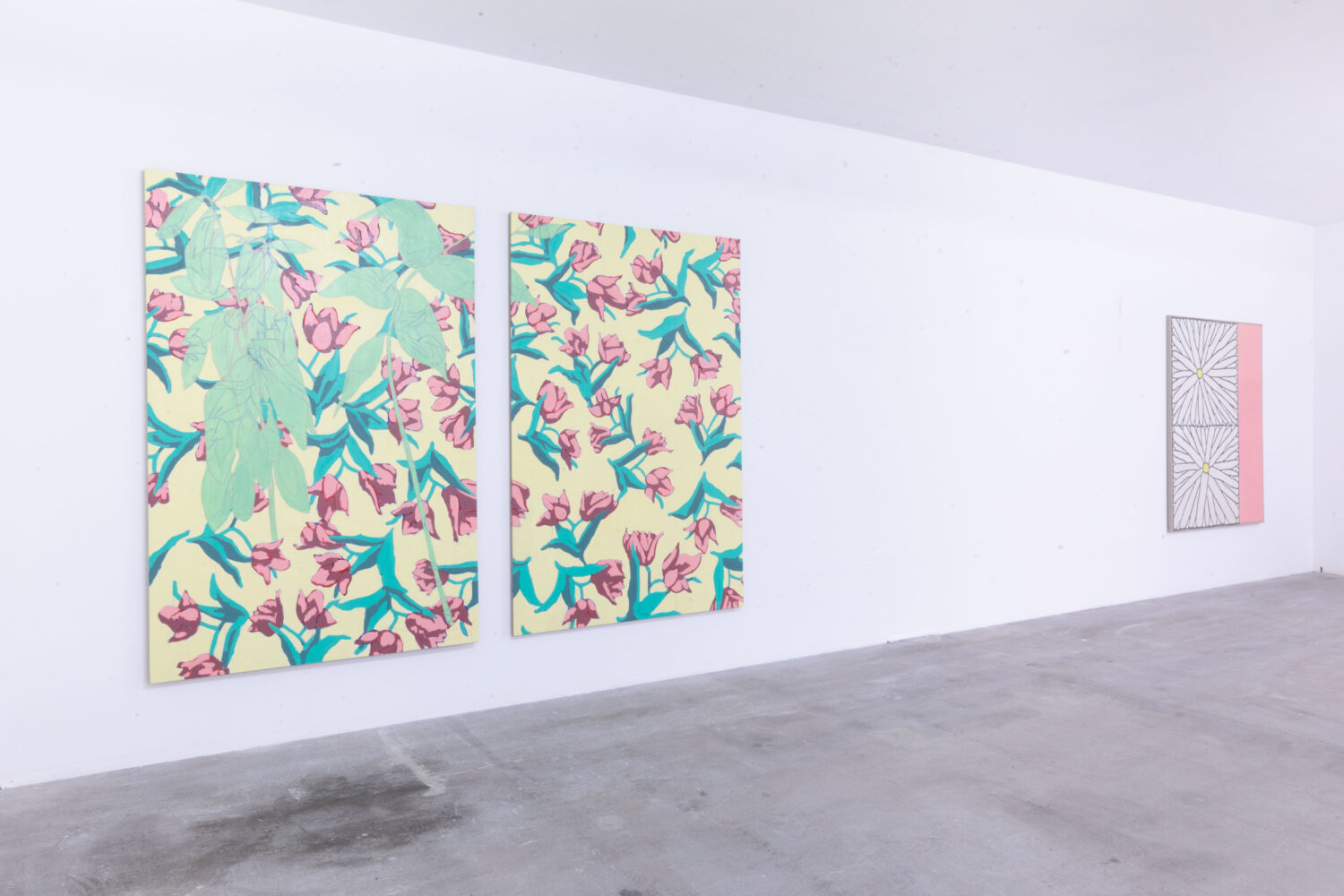
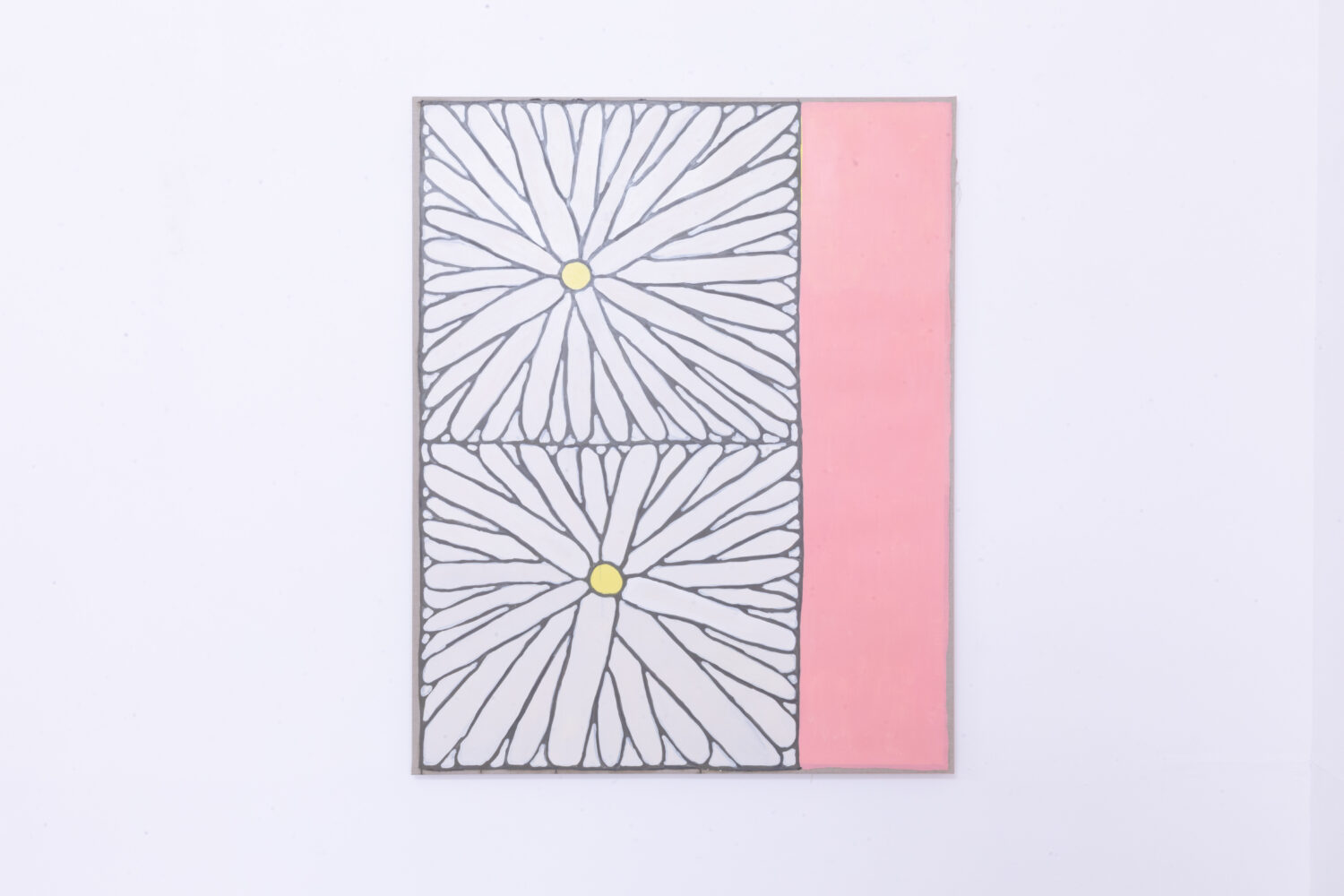
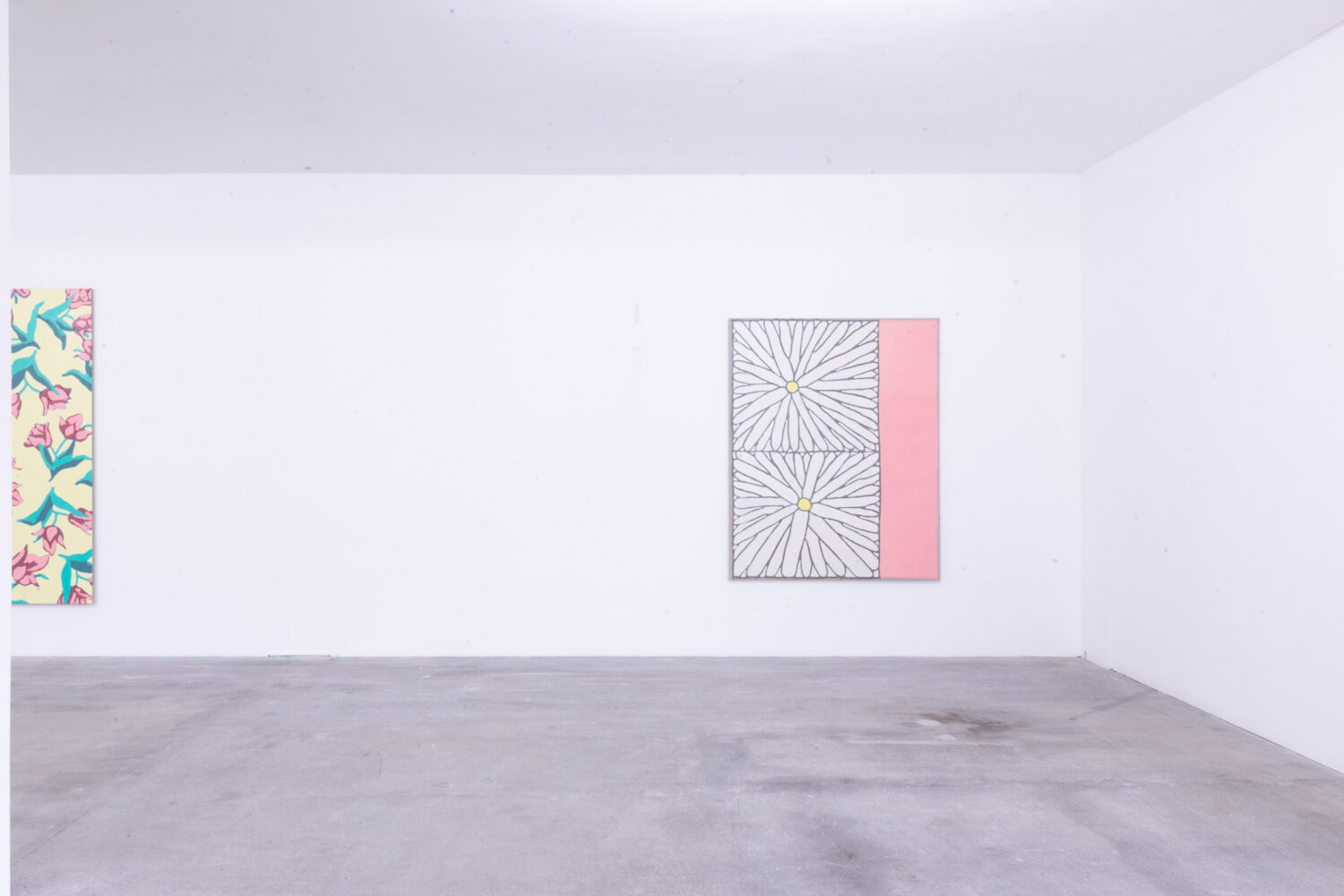
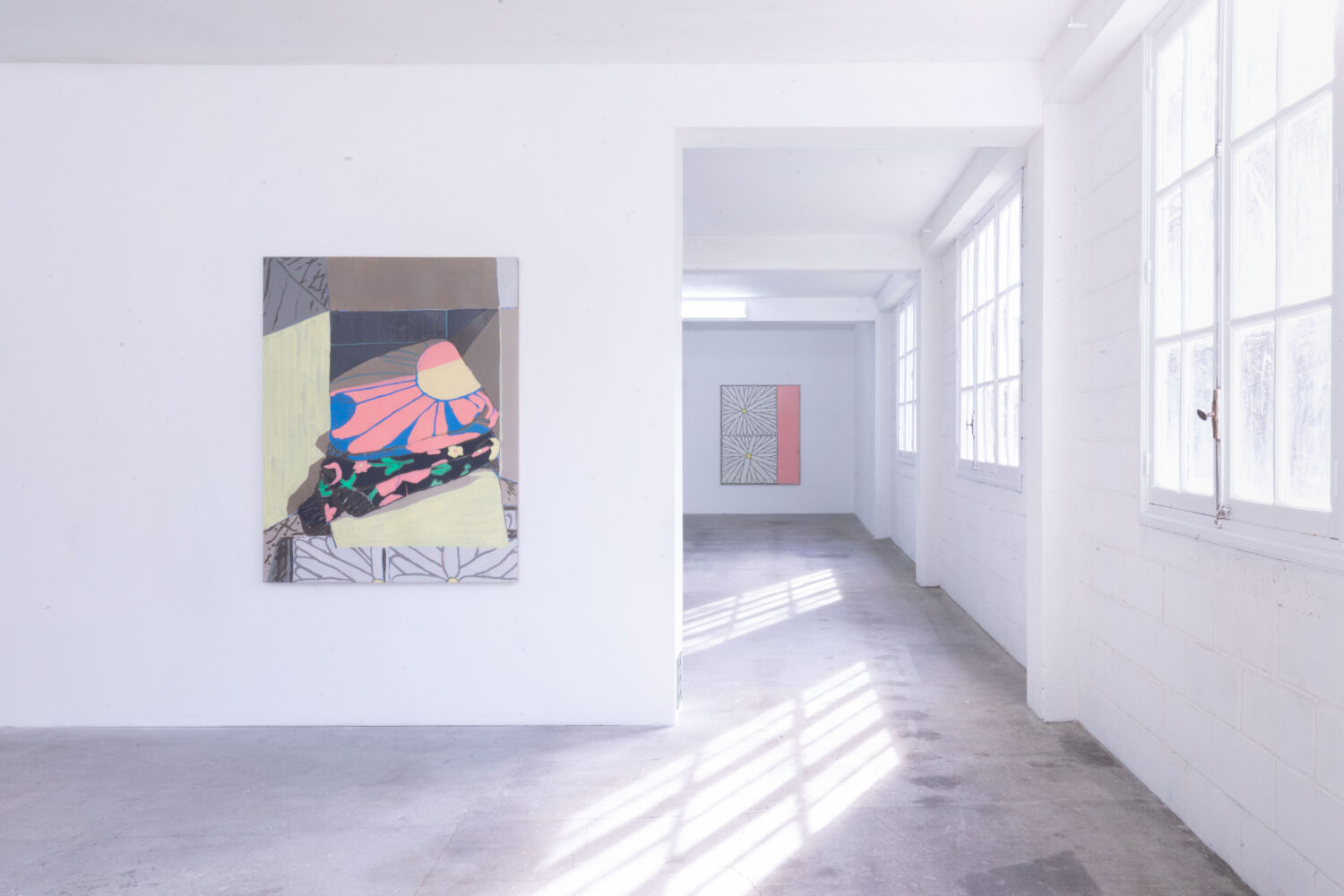
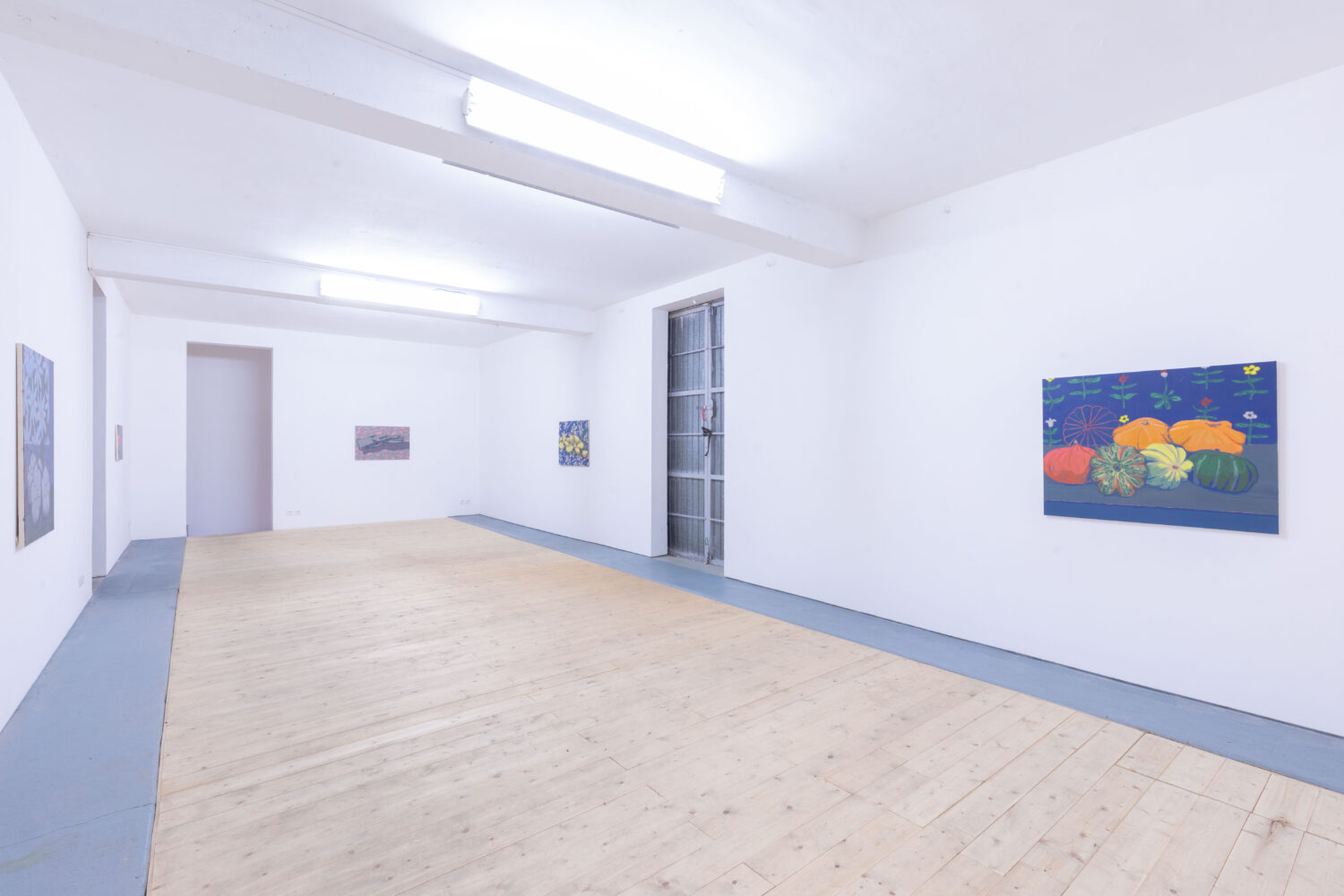
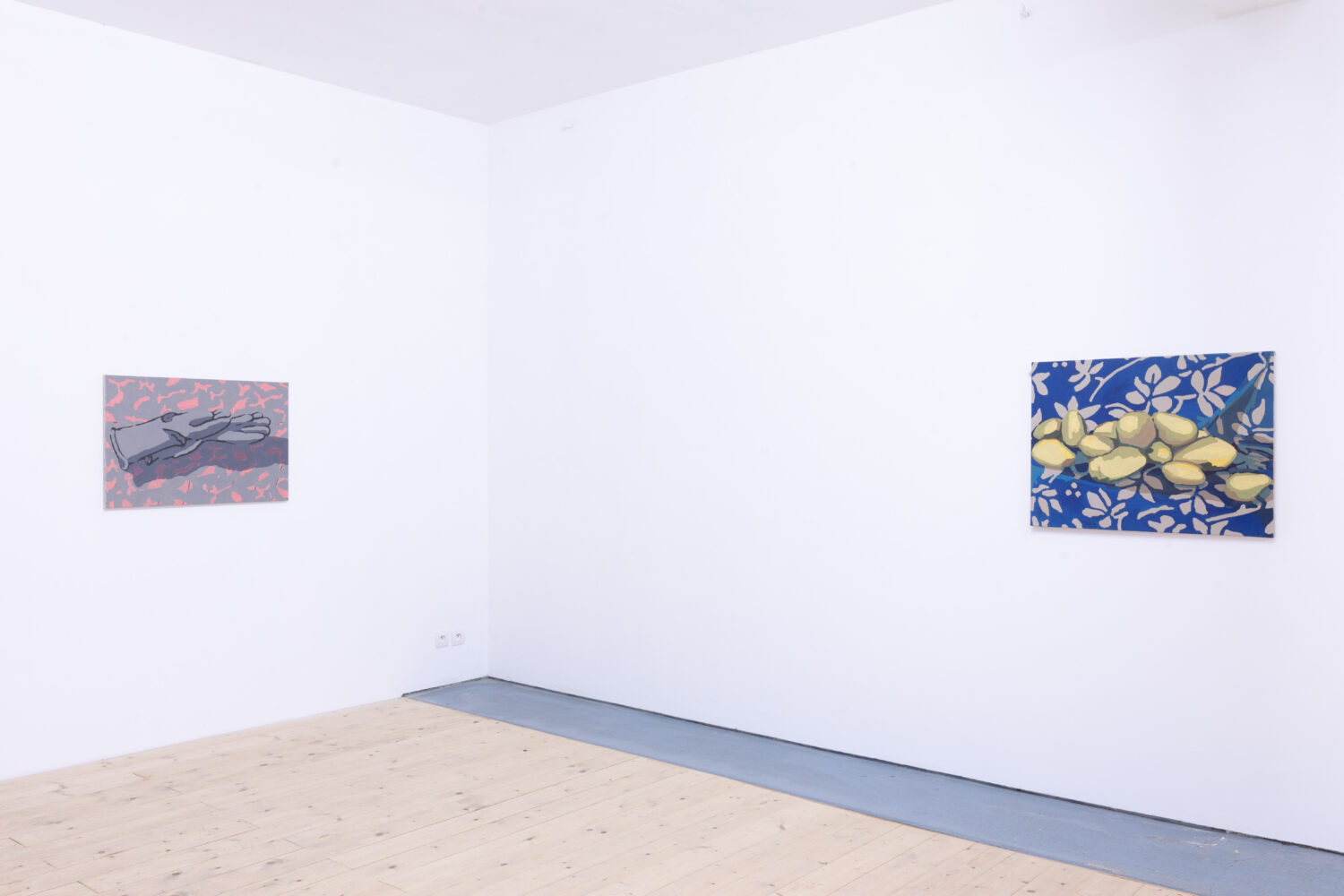
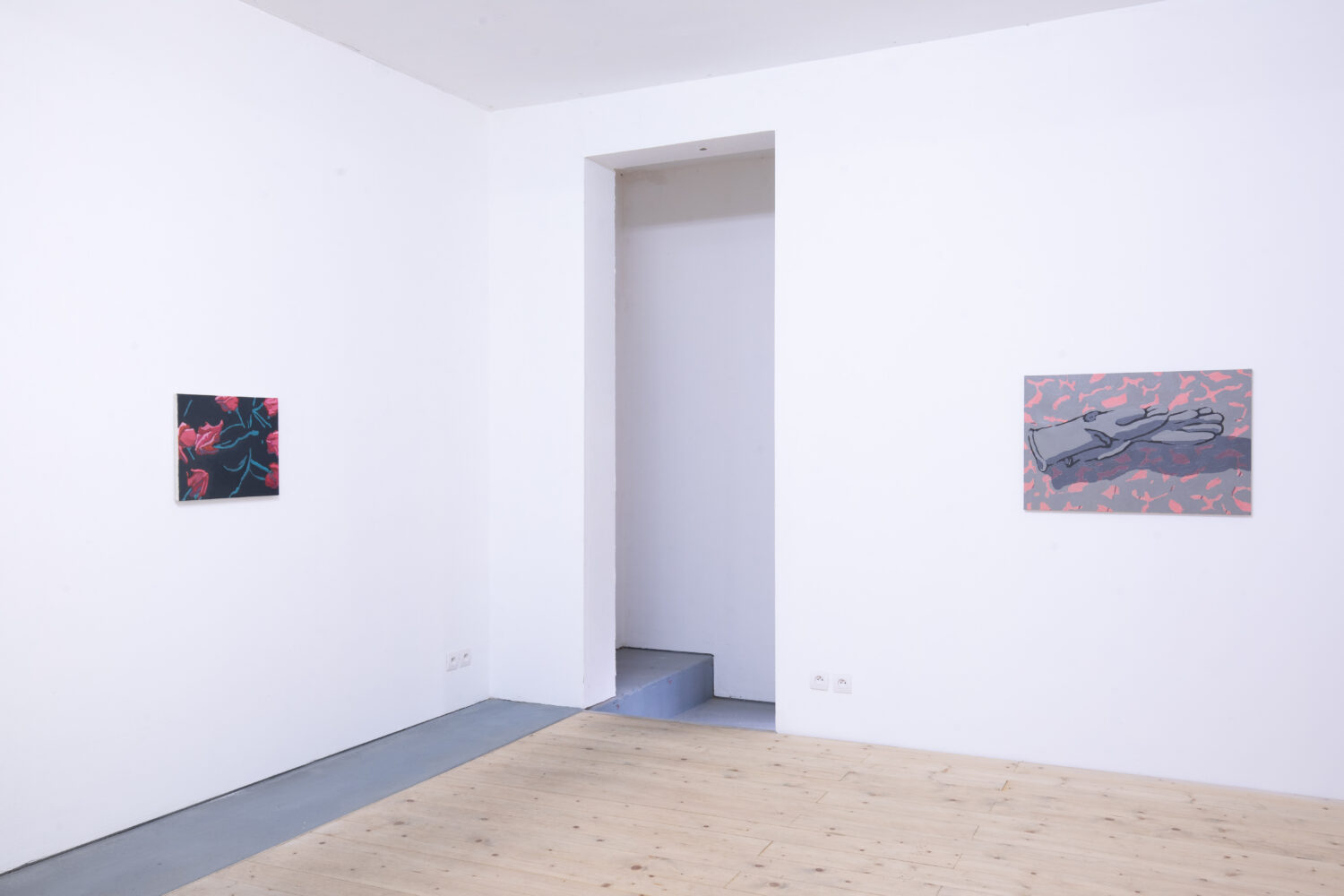
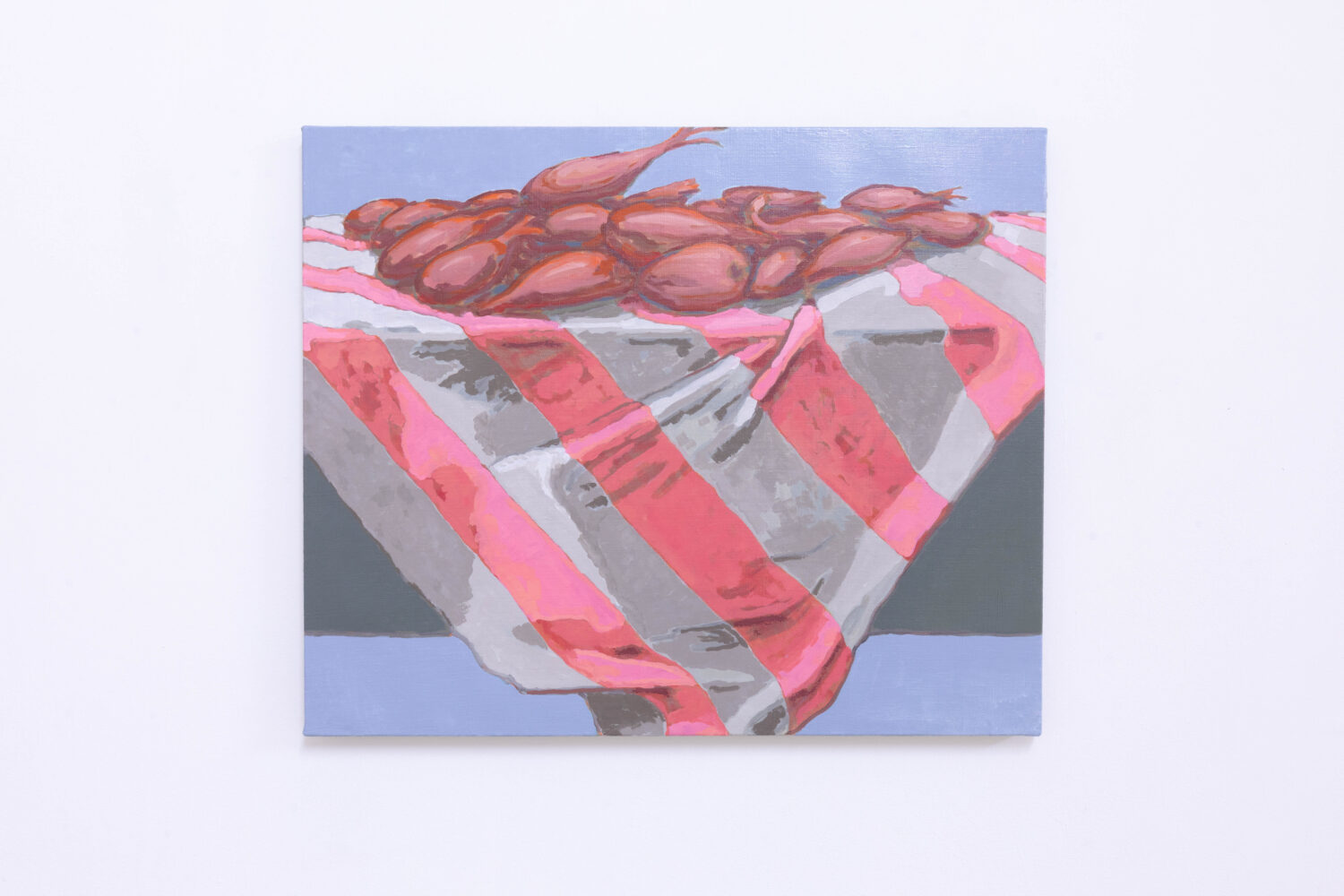
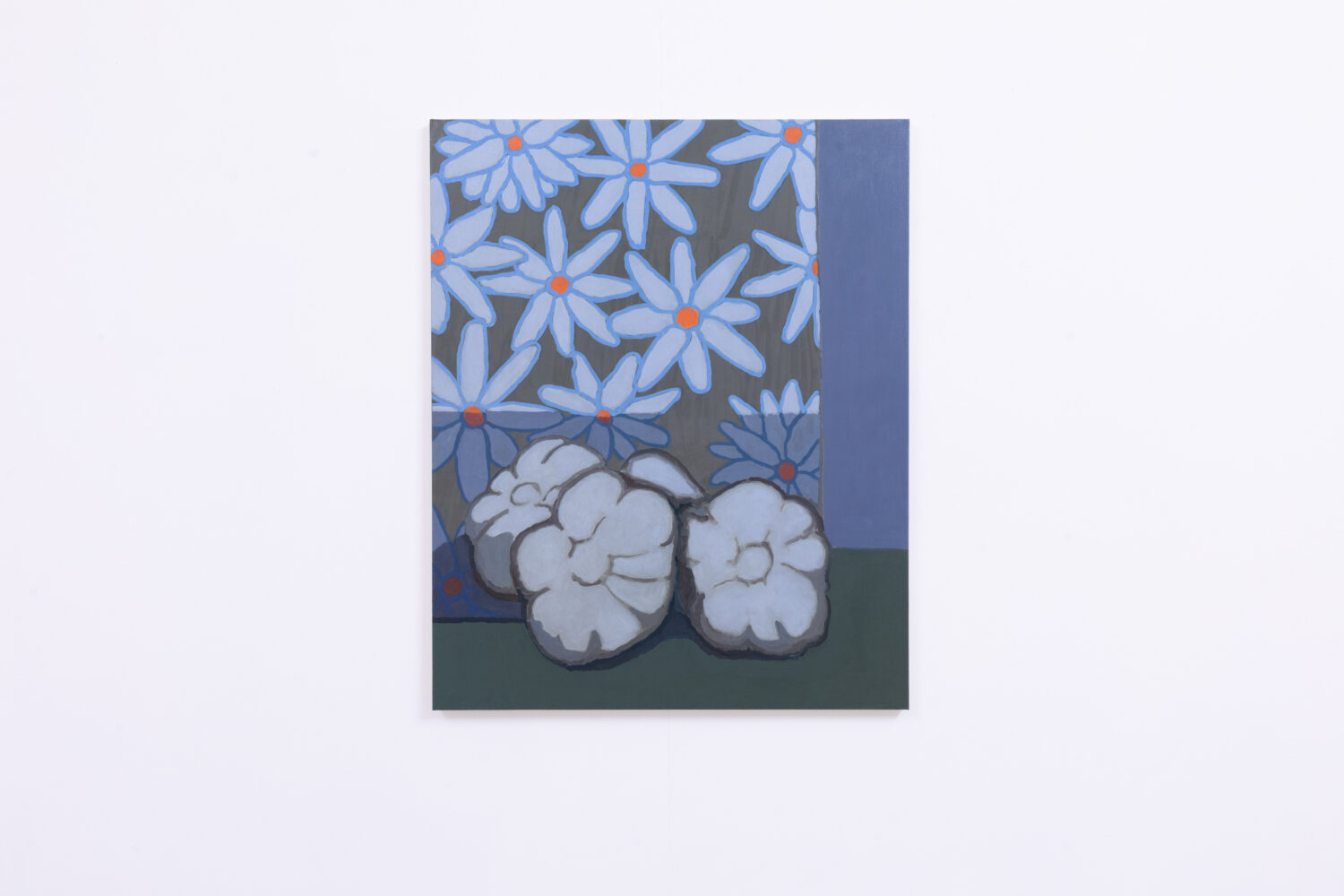
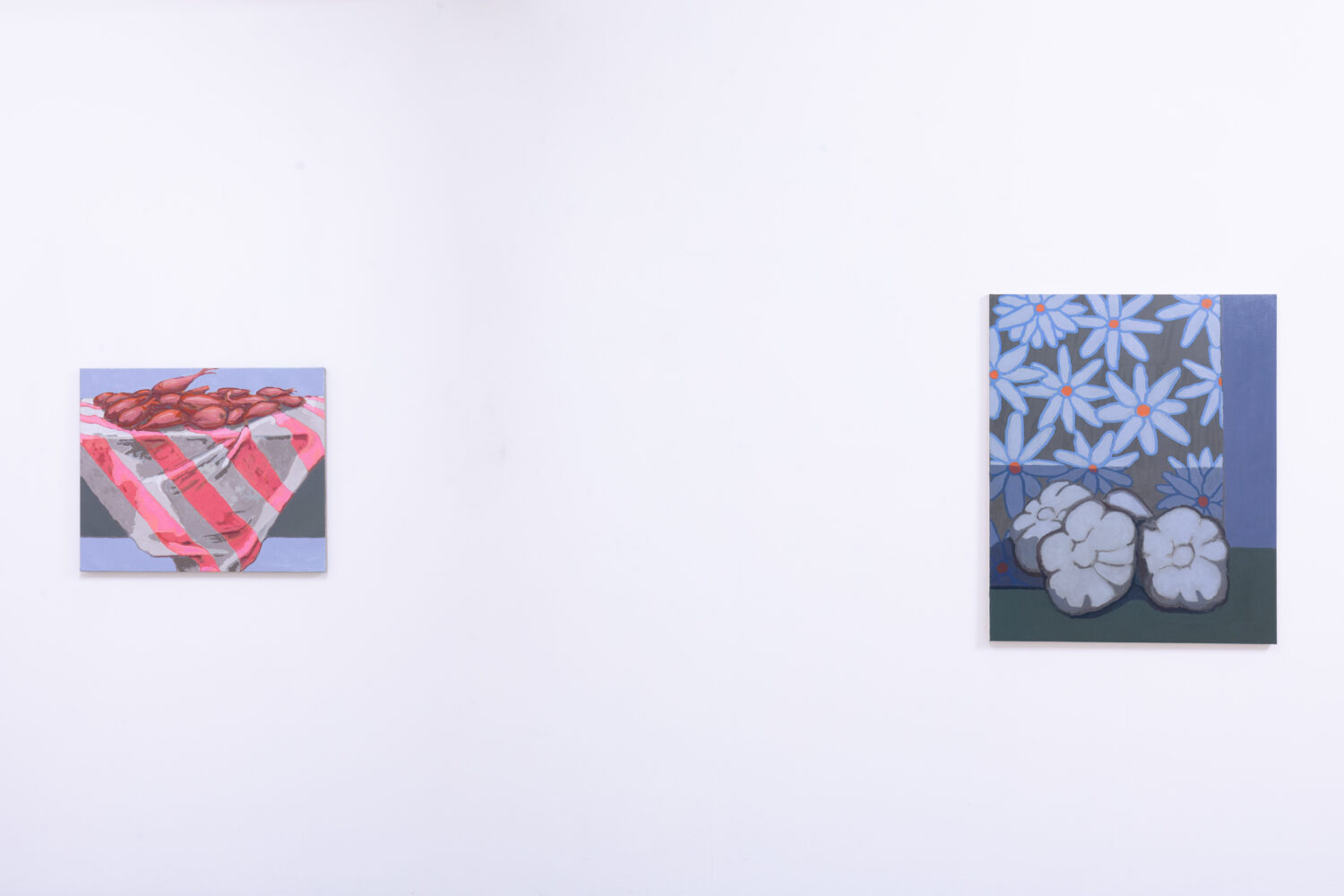
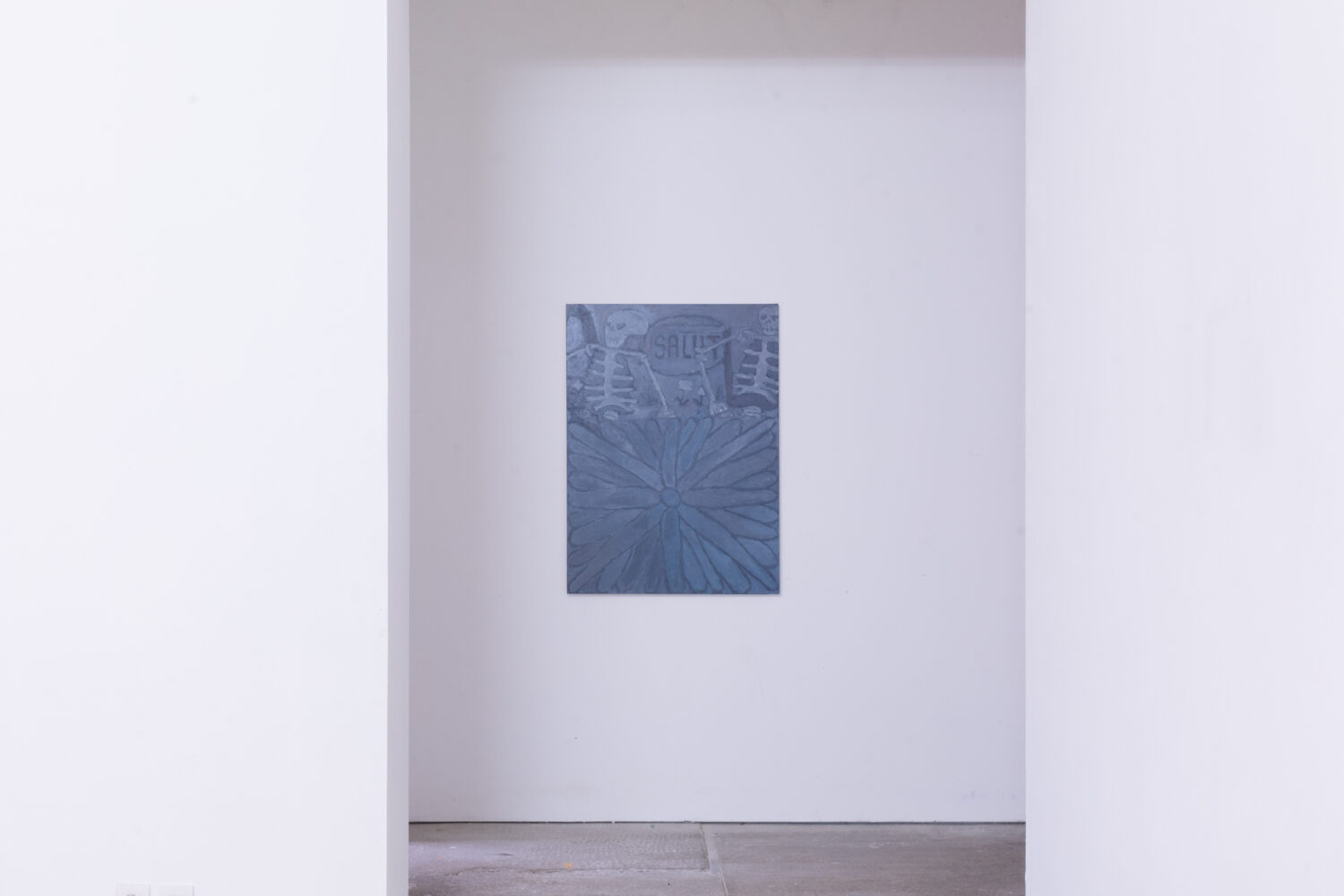
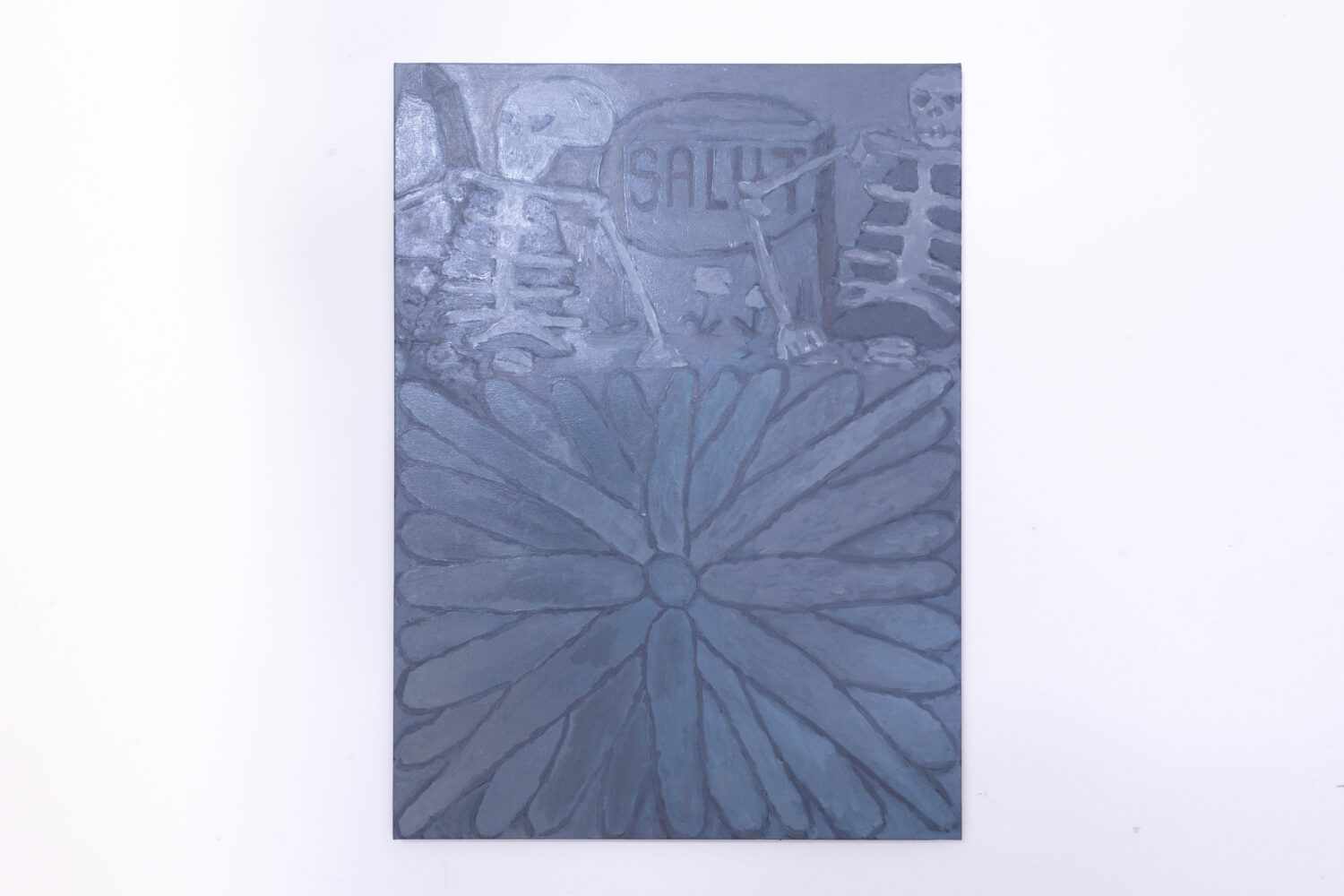
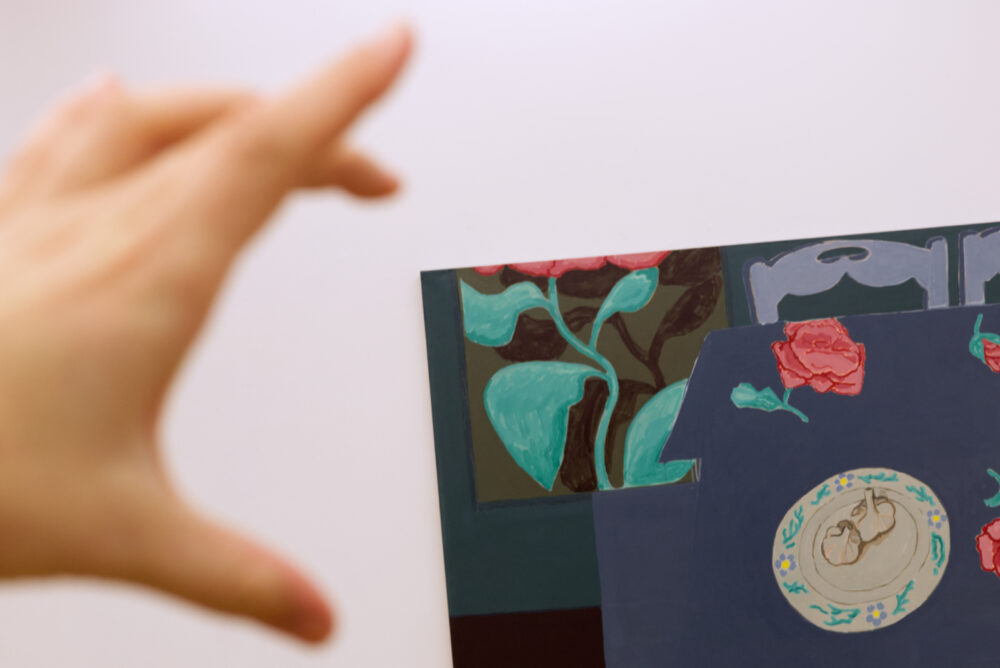
The paintings depict different framings of everyday life that cut and layer the compositions. They often present a compressed, thin space that reframes the paintings, allowing them to slip from patterns and images of patterns, through windows and cupboards and other elements of interior domestic space.
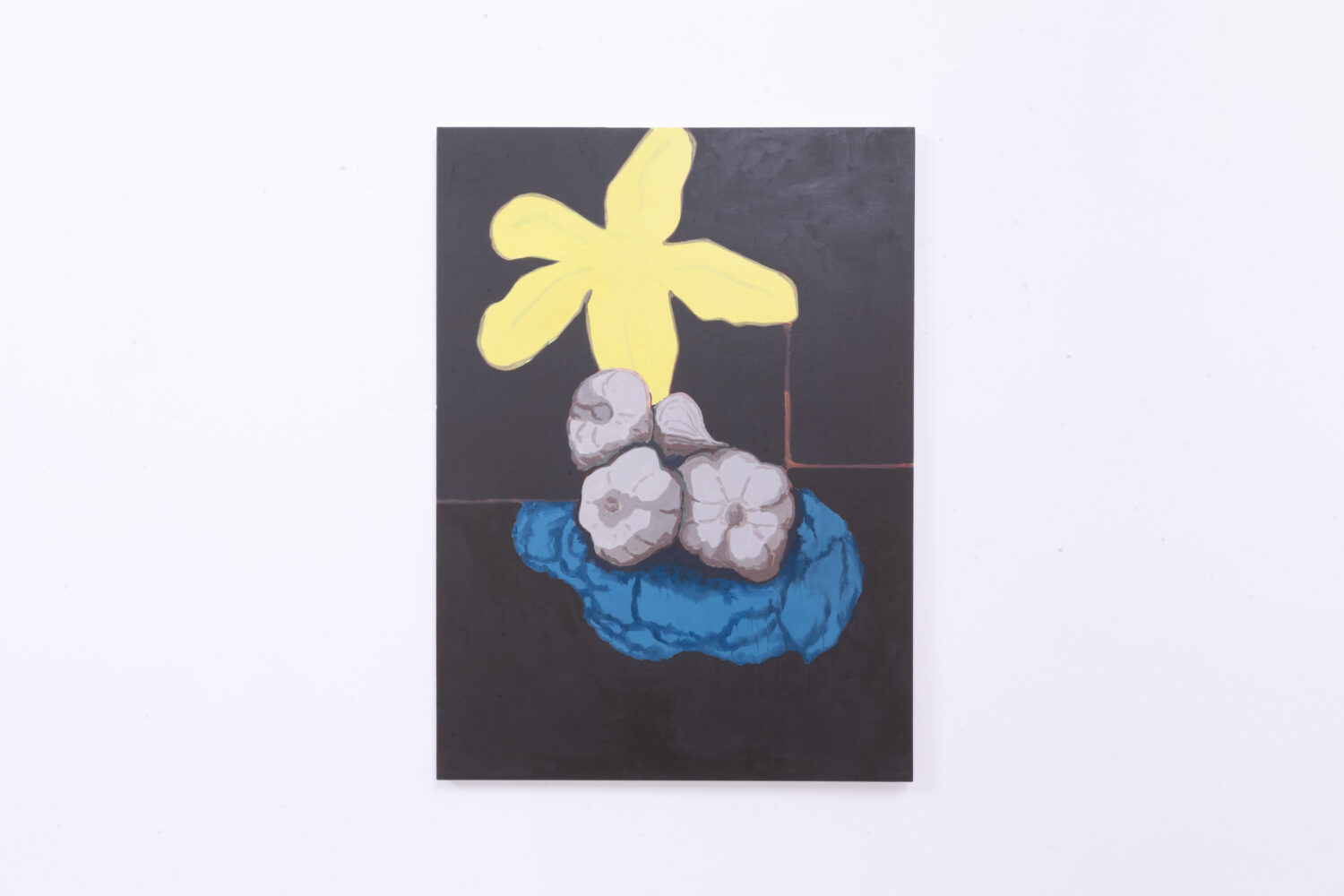
We are invited to look into this homely space but are also frustrated or misdirected by its gentle instability. The Display of different styles of pattern from fabric or wallpaper, drift in layers or attach themselves to objects in subtle and playful ways. A world is revealed to us which we can presume is private yet ubiquitous; these are still life paintings, they are arrangements and posings of real life, a simple life, but are not that life itself. They are arrangements that keep something secret and withheld; a home that is the source of human flourishing, that guides our relationships but also can propagate inequalities and roles.
Modes of life.
Essential for understanding a growing number of new artists’ work, is the importance of the way of life that the artistic working-practice makes possible. With Boudin, there is a network of intersecting political and social forces that cross in the way of life that she has constructed around her that should be considered in parallel with the work. However, in our contemporary condition of self-presentation, avatars, and the sale of images of immediate ‘authentic’ life, this revelation is also problematic.
In an inversion of the genre of still life painting, which is associated with symbolic or metaphorical meaning, Olga invites us to see ordinary, working life as capable of carrying other meanings; more than the place work holds in the scheme of things: the bread and the roses. Olga shows us life but without exposing that life to the scrutiny of a strangers’ gaze, there is a deep demand for privacy, while still drawing our attention to the existence of these different modes of life. While the presence of a way of life is clear, this life is not made explicit or dismembered or sensationalised for us. The opposite, in fact; it has its materiality and its dignity. Private spaces retreat so that they can remain private even if this is done in the domain of the Seen. The absent subject of these paintings are the modes of life that support their possibility.
There is a common understanding that private life is under transformation, and that, especially through the ubiquitous presence of digital interfaces and social media, we are eroding our private selves and becoming private-public selves. Conversely there has been a similar erosion of public space. Our public spaces, though they put us into the proximity of strangers, are becoming less the spaces of engagement with those strangers, and though our intimate private lives are becoming more and more visible to others, they have not taken on the quality of Public Reasoning that is proper to the good functioning of public space, and remain private in their logic and capacity to speak broadly. Public space is being eroded, even in public spaces. This is reducing our capacity for public reasoning and our ability to develop new, shared responses to the speed and pressures of contemporary life.
Olga Boudin’s work hinges on contemporary shifts in the definition of public and private, while exploring an image of home that is becoming harder to reach for many.